
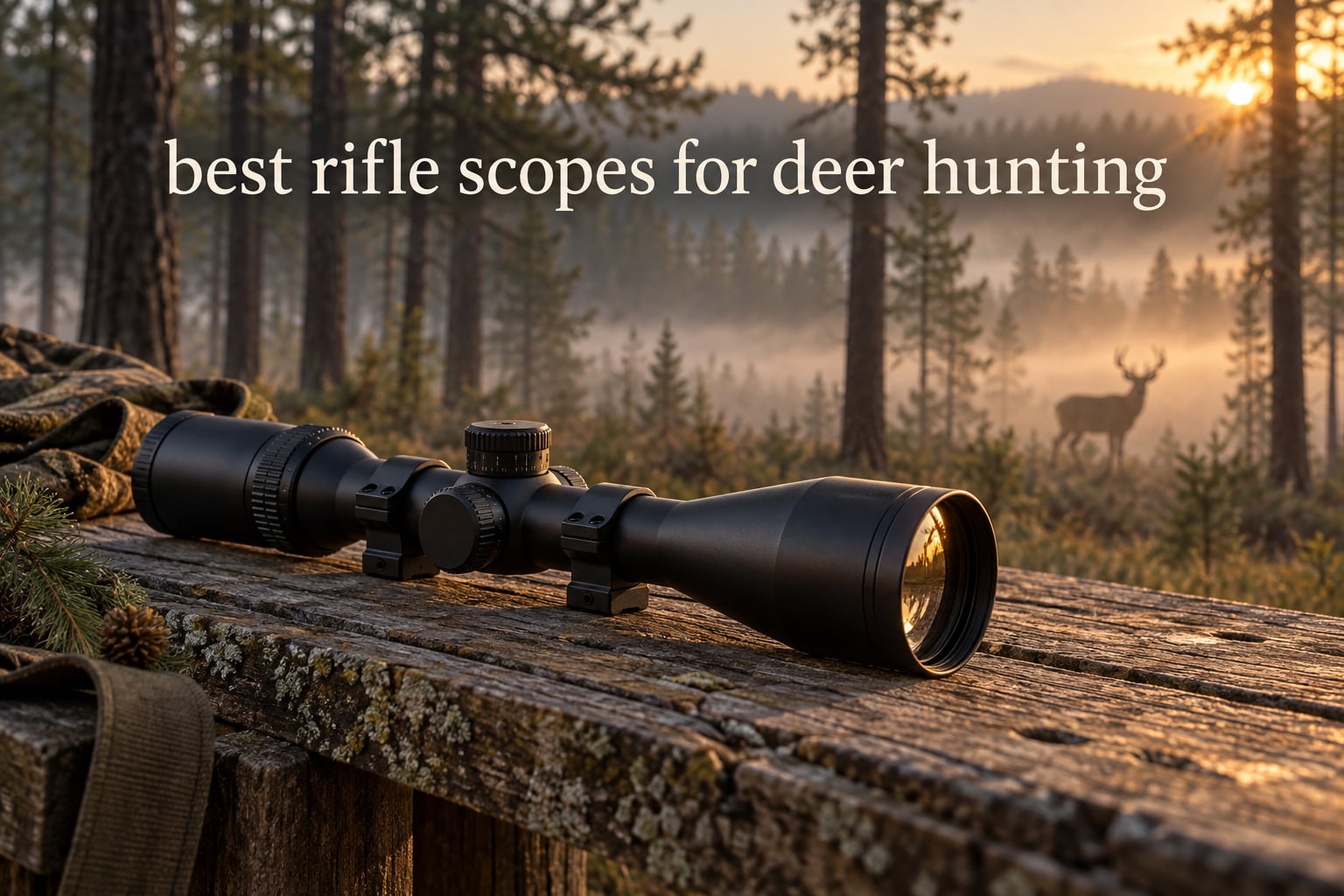
The best rifle scope for deer hunting is one with clear low-light glass, a rugged build that holds zero after recoil, and a practical 3x-9x or 3x-12x range on a 40-44mm objective lens. That combination covers close timber work and 300-yard western mule deer shots without the weight and cost of long-range glass.
Most deer seasons start before the sun clears the treeline and end after it drops behind the ridge. The optics you carry decide whether you can identify a buck’s antlers in that flat grey light or whether you are guessing at a shape 120 yards out. Glass clarity and low-light brightness are not luxuries in this sport; they are the difference between a shot and a wasted tag.
We spent weeks putting these twelve scopes side by side on magnification, objective diameter, glass, turret construction, eye relief, weight, and warranty terms, then cross-checked the numbers against the field reports owners post in hunting forums. What follows is organized the way hunters actually shop: by the terrain you hunt and the shot distances you expect, not by a spec sheet nobody reads to the end. If you need glass on the other end of the rifle, our best binoculars for hunting guide pairs well with this list.
A note before we start: almost every deer shot in North America happens inside 200 yards. That single fact drives every recommendation below, and it is why you will see very few scopes here with more than 15x on the top end. More magnification is not better magnification. It is heavier glass, a dimmer image, and a harder time holding a steady sight picture on a moving deer at 30 yards.
Table of Contents
Top 3 Picks for Deer Hunting in 2026
These are the three scopes we would put on a rifle tomorrow if we had to pick. Each one wins a different kind of hunt, and the reasoning matters more than the ranking.

SIG SAUER Buckmasters 3-12×44
- 3-12x44mm range
- BDC holdover to 500 yards
- Low-dispersion glass
- 1-inch tube
Vortex Sonora 3-9×50 SFP
- Dead-Hold BDC reticle
- Fully multi-coated glass
- Vortex lifetime warranty
- 15.8 ounces

Bushnell Banner 3-9×40
- Extended 6 inch eye relief
- Dusk and Dawn coatings
- Argon purged
- 12.96 ounces
The Buckmasters takes the top slot because it is the only scope here that gives you genuine 3x low-end headroom for dense timber and still reaches 12x for open country, with a ballistic drop compensator already built into the reticle. The Sonora is the value pick for anyone who wants the most proven configuration in hunting and does not need to dial. The Bushnell Banner has the deepest owner history in the group and the most generous eye relief, which matters on long glassing mornings.
All 12 Deer Hunting Scopes at a Glance in 2026
Every scope below is listed with the specifications that actually change how it performs in the field. Use this table to narrow the field, then read the full review for the one or two that fit your terrain.
| Product | Specs | Action |
|---|---|---|
| SIG SAUER Buckmasters 3-12x44mm |
|
Check Latest Price |
| Vortex Sonora 3-9×50 Second Focal Plane |
|
Check Latest Price |
| Bushnell Banner Dusk and Dawn 3-9x40mm |
|
Check Latest Price |
 Burris Droptine 4.5-14x42mm Ballistic Plex Burris Droptine 4.5-14x42mm Ballistic Plex |
|
Check Latest Price |
 Vortex Triumph HD 3-9x40mm Scope Kit Vortex Triumph HD 3-9x40mm Scope Kit |
|
Check Latest Price |
 Vortex Diamondback 3-9x40mm Second Focal Plane Vortex Diamondback 3-9x40mm Second Focal Plane |
|
Check Latest Price |
 Leupold VX-Freedom 3-9x40mm Hunt-Plex Leupold VX-Freedom 3-9x40mm Hunt-Plex |
|
Check Latest Price |
 Leupold VX-3HD 3.5-10x40mm CDS-ZL Leupold VX-3HD 3.5-10x40mm CDS-ZL |
|
Check Latest Price |
 Monstrum G3 6-24x50mm FFP Illuminated Monstrum G3 6-24x50mm FFP Illuminated |
|
Check Latest Price |
 CVLIFE 3-9x40mm R4 Crosshair Scope CVLIFE 3-9x40mm R4 Crosshair Scope |
|
Check Latest Price |
 Bushnell Drop Zone 1-4x24mm Target Turrets Bushnell Drop Zone 1-4x24mm Target Turrets |
|
Check Latest Price |
 Monstrum Spectre 1-6x24mm LPVO Scope Monstrum Spectre 1-6x24mm LPVO Scope |
|
Check Latest Price |
1. SIG SAUER Buckmasters 3-12x44mm Riflescope – Best Overall for Deer Hunting
SIG SAUER Buckmasters 3-12x44mm Riflescope
3-12x44mm
1-inch second focal plane tube
BDC holdover to 500 yards
15.2 ounces
Pros
- Sharp image across the full magnification range
- BDC holdover dots simplify range estimation
- Single piece 1-inch main tube built for rough seasons
- Flip back lens covers included
Cons
- Reticle is not illuminated for the darkest hours
- 44mm objective is modest at the top of the range
The Buckmasters is the scope we kept coming back to while building this list. The 3x low end is low enough to find a buck moving through mature hardwoods at 25 yards, and the 12x top end is high enough to hold a head-and-shoulder hold on a mule deer crossing a sagebench at 280. Very few hunting scopes cover that ground honestly, and most that do are noticeably heavier.
What sold us is the reticle rather than the magnification. The Buckmasters BDC carries holdover dots out to 500 yards, which means you can dial for bullet drop without touching a turret or thinking about a dope card at 6:40 in the morning. Owners consistently call the image sharp across the whole range, and the single-piece 1-inch main tube is a real advantage when the rifle gets bumped in a truck bed.
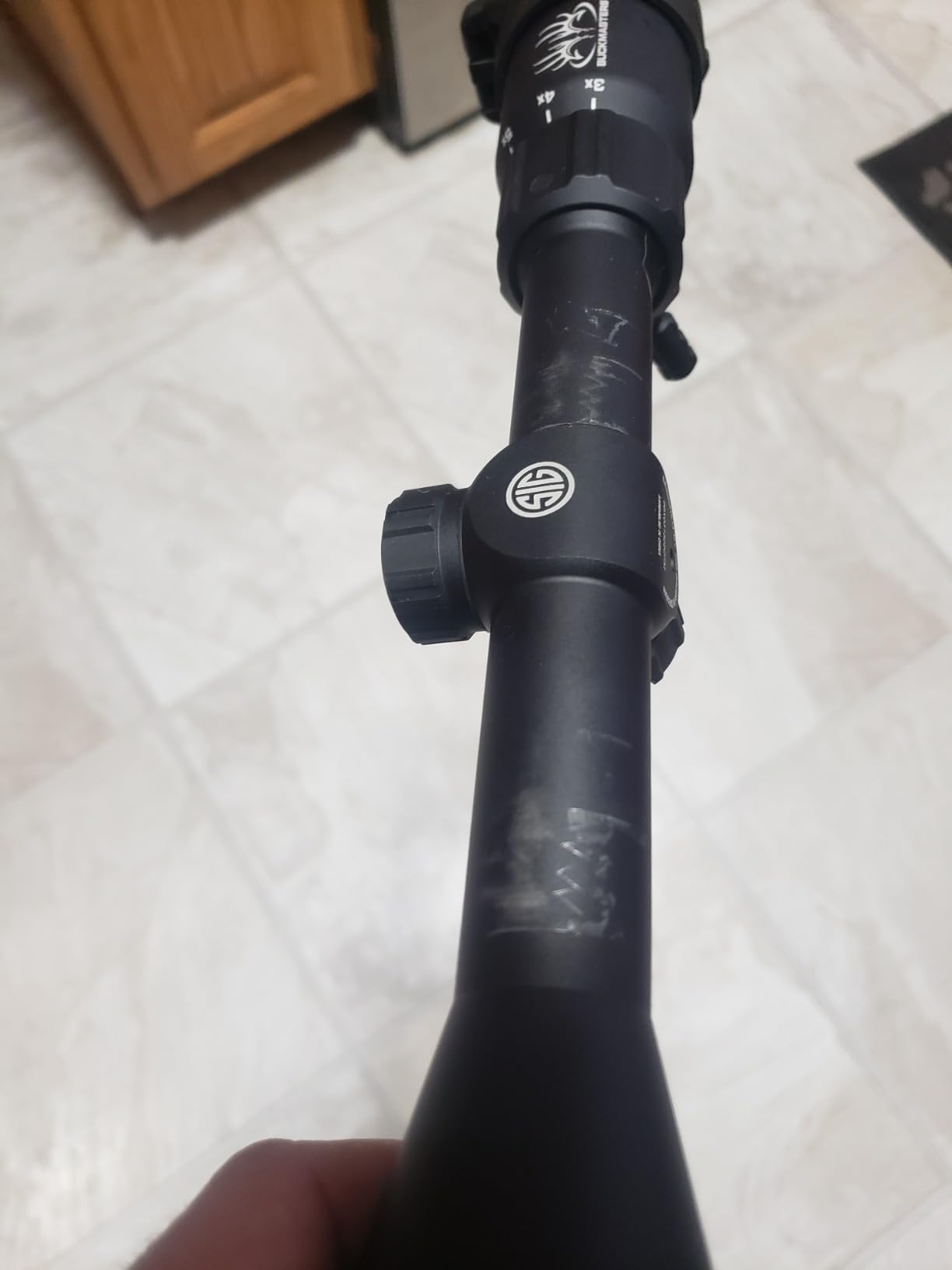
At 15.2 ounces it is not a featherweight, but on a 30-06 or .308 bolt gun it adds nothing you will notice on a long walk. The throw lever uses an integrated thread, so changing magnification is a quick twist rather than a pull-and-turn, and the flip-back lens covers are genuinely useful when you are moving through brush before dawn.
Owners report a scope that stays consistent through weather changes, with the waterproof, shockproof, fogproof construction holding up in rain and cold. The rated 4.6 across more than 700 reviews reflects broad satisfaction, with the lack of illumination being the single most repeated complaint.
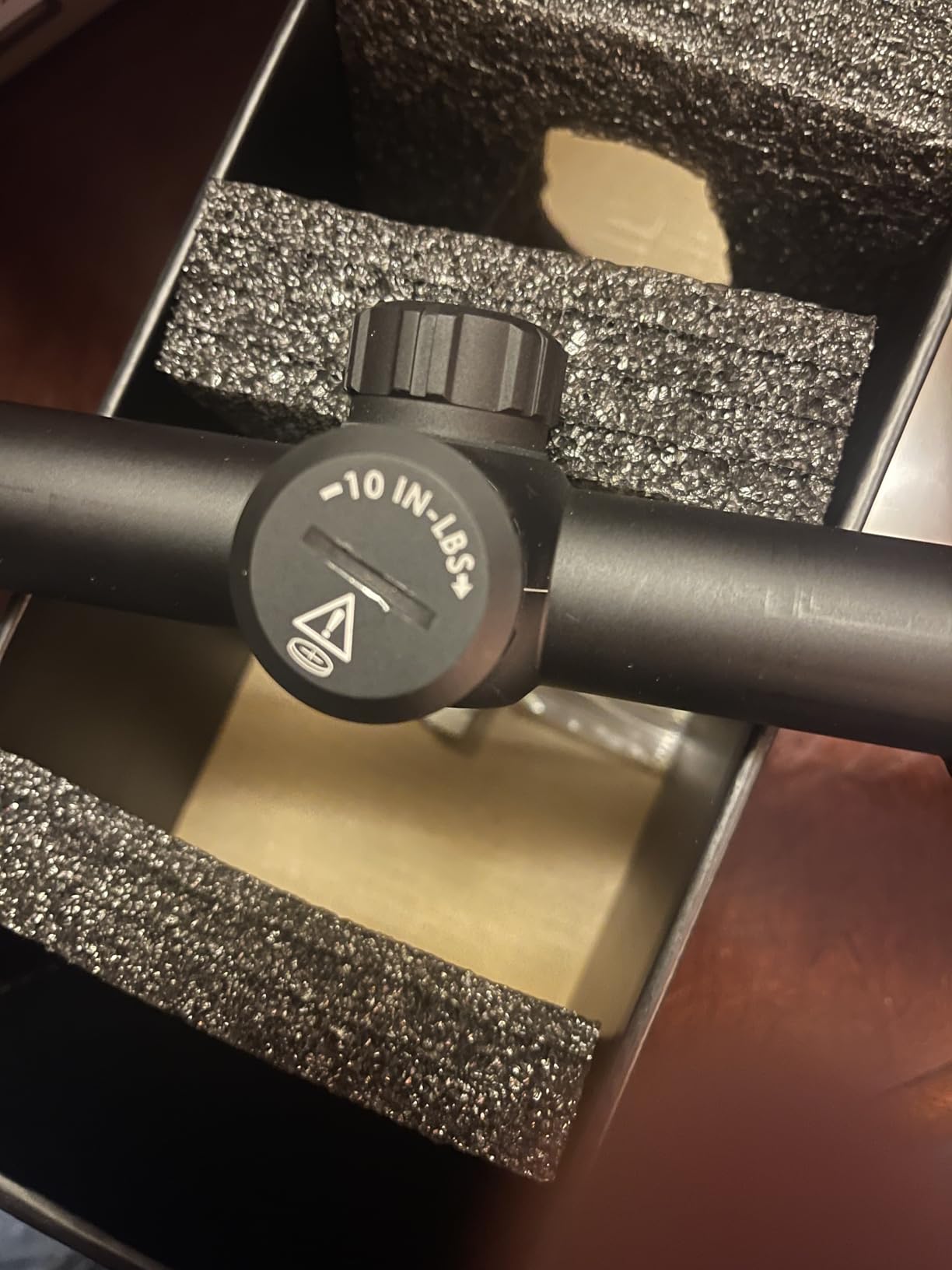
When the holdover dots actually earn their place
The BDC is built for the shooter who wants reach without arithmetic. Aiming below the deer’s chest and stepping to the next dot for a given range gives you a usable zero out to moderate distances, which covers a huge share of deer season. It does not replace a chronograph, and it is calibrated for the loads it was designed around, but it buys you time in the field.
Pair it with a laser rangefinder and the dots turn from a shortcut into a second opinion. When the two disagree, trust the rangefinder and use the dots to confirm the holdover you were already planning.
Where this scope will disappoint you
If you shoot in the last 30 minutes before legal light, the unilluminated reticle is a real limitation. You will still see the deer, and the 44mm objective gathers reasonable light at 3x to 6x, but there is no red dot to rescue a silhouette against a dark treeline.
It is also a 1-inch tube scope, which matters later. If your existing rings are low-profile 1-inch rings, the objective bell may not clear your receiver. Check your ring height before you commit.
2. Vortex Sonora Second Focal Plane Riflescopes – Top Rated Deer Scope
Vortex Sonora 4-12×44 Second Focal Plane Riflescope – Dead-Hold BDC Reticle
3-9x50 or 4-12x44
1-inch aircraft grade tube
15.8 ounces
Lifetime VIP warranty
Pros
- Clear glass for the money in low light
- Generous eye relief for shooters wearing glasses
- Single piece tube has survived drops and kept its zero
- Backed by the Vortex lifetime VIP warranty
Cons
- Fixed parallax blurs very close targets
- Turret clicks are quieter than premium scopes
- Glass is a step below the class leaders
The Sonora is available in two configurations that both make sense for deer, and picking between them is really a terrain question. The 3-9×50 gives you more light for dawn shots; the 4-12×44 gives you more reach for open country. If you can only carry one, most eastern and Appalachian hunters will be happier with the 3-9×50.
Owners repeatedly single out the eye relief, and that is not a spec-sheet nicety. Generous eye relief means you can wear prescription glasses, shoot quickly, and still land on the target without fighting a tight eye box. That matters when a buck stands up at 40 yards and you have two seconds to get the picture.
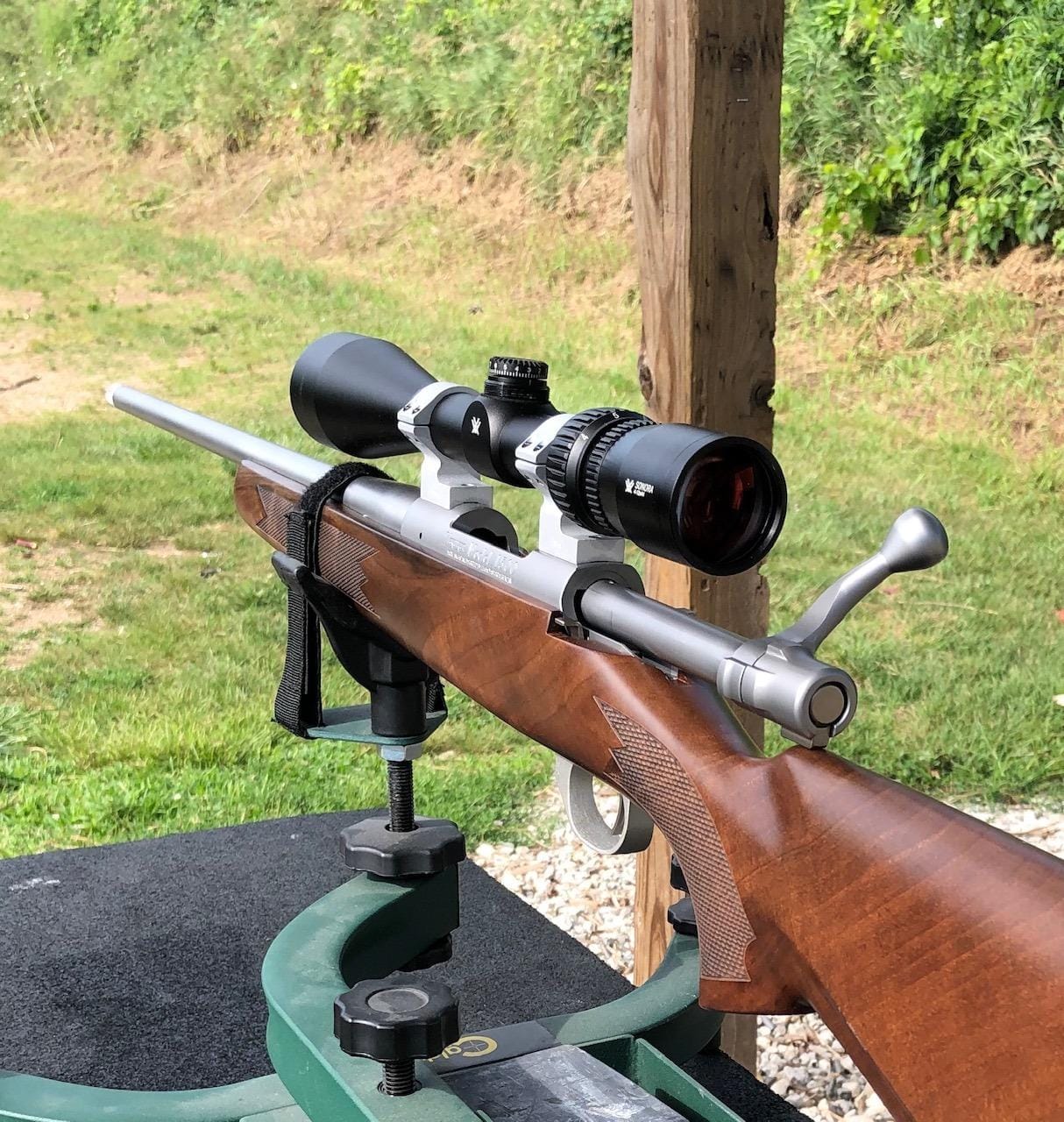
The Dead-Hold BDC reticle in MOA is a familiar, readable design with hashmarks for both holdover and windage. Fully multi-coated lenses handle low light better than the price of the scope suggests, and the locking diopter means your focus setting stays put when you stand on a ladder in the dark and try to find the rifle with your other hand.
Durability is where this scope separates from cheaper alternatives. Owners report units that took falls and kept a sub-MOA zero, and the Vortex lifetime VIP warranty is cited constantly in hunting forums as the reason people buy into the brand at all. That warranty alone removes most of the risk of a first scope purchase.
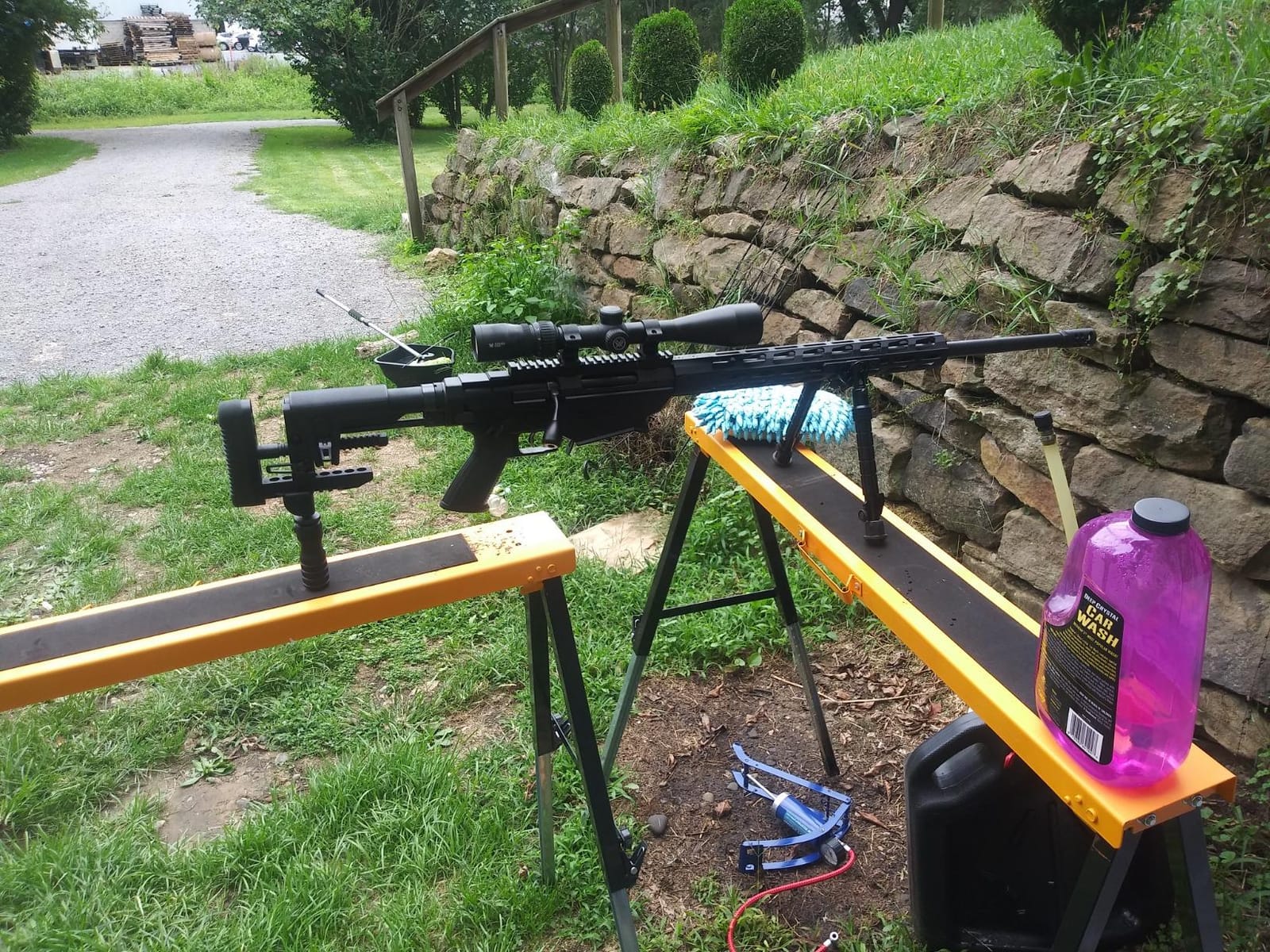
Which Sonora configuration to pick
Choose the 3-9×50 if your season is mostly whitetail in timber, or if you shoot in heavy overcast and rain where every extra millimeter of objective helps. Choose the 4-12×44 if you hunt open pine, CRP ground, or western country where shots stretch past 200 yards and glassing distant backridges is part of the hunt.
Both sit on a 1-inch aircraft-grade aluminum tube, so mounting is the standard hunting setup. Neither includes rings, so budget for that separately.
What you give up by skipping adjustable parallax
The parallax is fixed at 100 yards. For deer hunting, where most shots land between 60 and 200 yards, that is a sensible factory decision. But if you also shoot rimfire, do a lot of close-range practice, or hunt with a dog pushing rabbits at 20 yards, the target will look soft and you will wonder whether the glass is bad. It is not. It is parallax.
The other mild drawback is the turret feel. The adjustments work, but they do not have the crisp audible click of a higher-tier scope, and the glass sits a step below Nikkon and Burris glass in the same bracket.
3. Bushnell Banner Dusk and Dawn 3-9x40mm – Best Value Pick for Low Light
Bushnell Banner Dusk & Dawn Multi-X Reticle Riflescope with 3.3-Inch Eye Relief, 3-9X 40mm , Black
3-9x40mm
Extended 6 inch eye relief
12.96 ounces
Limited lifetime warranty
Pros
- Bright image from Dusk and Dawn multi-coated lenses
- Very generous 6 inch eye relief
- Argon purged and IPX7 rated for all weather
- Lightweight and proven over thousands of reviews
Cons
- Multi-X reticle has no holdover marks
- No parallax adjustment dial
- Turrets need a tool to turn
The Banner is the most thoroughly proven scope in this list, with well over three thousand owner reviews behind it. That matters more than it sounds: a configuration that thousands of hunters have used through a decade of seasons is a configuration whose weaknesses are already known, and in this case the weakness is a reticle, not the optics.
The Dusk and Dawn Brightness coatings, applied to every air-to-glass surface, produce a noticeably bright and high-contrast image for a scope in this class. Paired with argon purging and IPX7 waterproofing, it handles the temperature swings that turn cheaper scopes into foggy disappointments on a November morning in the Ozarks.
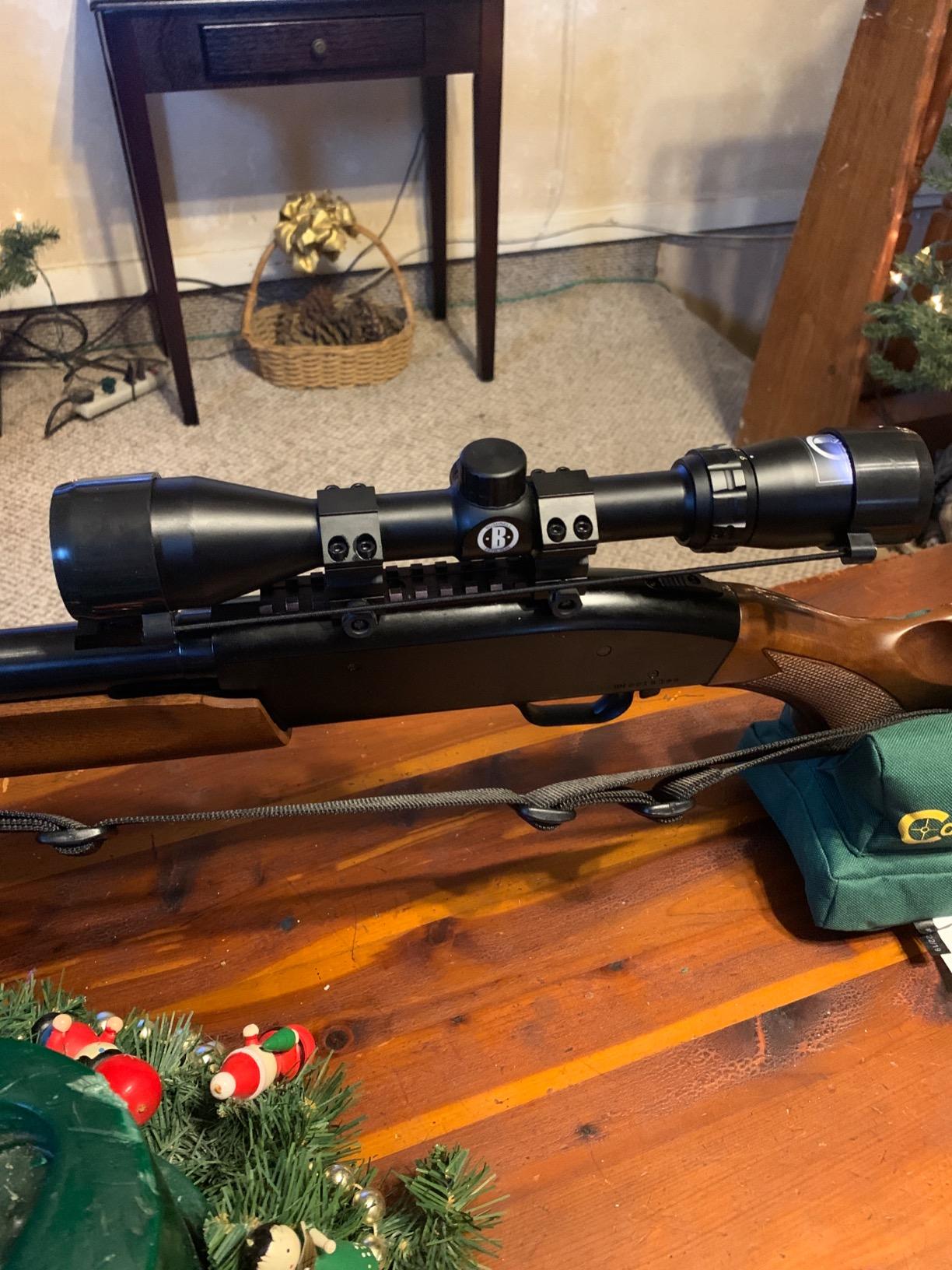
At just under 13 ounces it is one of the lighter options here, which matters if you are carrying a light mountain rifle or walking a ridge all day before the shot. The extended 6-inch eye relief is the most generous figure in the group and gives you a forgiving mount position, particularly if you wear glasses.
Owners consistently praise the brightness, the comfort, and the fact that the scope simply keeps working. The limited lifetime warranty is thinner than the Vortex VIP coverage, but for a scope this inexpensive, the practical risk is low.
Why eye relief deserves more attention than buyers give it
Eye relief is the distance between your eye and the rear lens, and it is the single most common reason a shooter dislikes an otherwise good scope. Too little and you spend the shot squinting into a narrow eye box, losing the target when you shift position. Six inches is a genuinely comfortable figure that works with or without eyewear.
It also changes where the rings sit. A scope with long eye relief can be mounted at a lower height, which keeps the rifle from feeling like a tower in a tree stand.
The reticle and turret limitations in plain terms
The Multi-X reticle gives you a simple aiming point and nothing else. There are no holdover marks, no bullet drop references, no windage scale. For deer inside 150 yards with a zero you trust, that is all you need. For 300-yard mule deer shots it leaves you estimating drop in your head.
The turrets are also capped and not finger-adjustable, so changing them requires the tool. That is a small daily inconvenience, not a defect, and it does add a step to zeroing.
4. Burris Droptine 4.5-14x42mm Ballistic Plex – Best for Open Country Deer
Burris Hunting Durable Waterproof High-Grade Optical Glass Droptine Riflescope with Ballistic Plex Reticle, 4.5-14x 42mm
4.5-14x42mm
Ballistic Plex reticle
Adjustable objective
1.1 pounds
Pros
- Adjustable objective is rare and useful in this class
- Clear glass that holds up even at 14x
- Steel on steel adjustments for repeatable zero
- Backed by the Burris Forever Warranty
Cons
- Turret clicks are inconsistent so zeroing takes more rounds
- Capped turrets are not re-zeroable
- Eye relief gets tight at the top of the range
The Droptine is the odd fit in a deer roundup because its bottom magnification starts at 4.5x rather than 3x. In thick timber that can feel abrupt. In open country, where deer are often spotted at distance across a flat, it is exactly the tool you want, because the entire usable range sits where you need it.
The real headline feature is the adjustable objective. An AO lens lets you dial the objective forward to focus on a distant target and pull it back to correct parallax at close range, and it is rare to find that capability without stepping up a tier. Owners specifically call it out as easy parallax control in a scope that otherwise would not offer it.
The high-grade optical glass with larger precision-ground lenses and Hi-Lume index-matched multicoating gives a clear image that holds up at the top of the range, which is not always true in a 4.5-14x. The nitrogen-filled tube prevents internal fogging, and the steel-on-steel adjustment system gives repeatable, positive clicks.
Burris owners frequently mention the Forever Warranty and the brand’s repair and return service as a genuine reason to buy, which is echoed constantly in hunting forums where warranty service is a real decision factor.
Adjustable objective versus side focus, explained
Parallax is the optical error that appears when your reticle and your target are not on the same plane, and the further away the target, the less it matters. At 300 yards you will never see it. At 40 yards you will, and the image will look soft or the reticle will appear to shift when you move your head. An adjustable objective fixes this by physically moving the front element.
Side focus scopes solve the same problem with a knob on the side. Either approach works. The difference is that AO scopes also sharpen the image at distance, and most of them skip a side-focus knob, which keeps the rifle cleaner for carry-in safety.
Where the Droptine fights you
Turret click consistency is the most repeated complaint. The adjustments are positive and repeatable once set, but the click values do not always feel uniform, so zeroing takes more rounds than it should. If you are fussy about a clean, quick zero, that will frustrate you.
The capped turrets are also not re-zeroable in the usual sense. Once you set your zero, treat them as fixed, and be careful knocking them in brush, a truck bed, or against a tree stand rail.
At 1.1 pounds it is the second-heaviest scope in this list, and the tighter eye relief at high magnification means you need a consistent cheek weld to see the full picture at 14x.
5. Vortex Triumph HD 3-9x40mm Scope Kit – Best Complete Kit
Vortex Triumph HD 3-9×40 Second Focal Plane, 1-inch Tube Riflescope Kit
3-9x40mm second focal plane
Includes 1 inch Hunter Rings
1 pound kit
HD optical system
Pros
- Sharp bright glass even at dawn and dusk
- Low height 1 inch Hunter Rings included so it mounts immediately
- Smooth repeatable turret clicks make zeroing fast
- Lifetime VIP warranty included
Cons
- Fixed parallax causes error inside 100 yards
- Capped turrets need a tool for changes
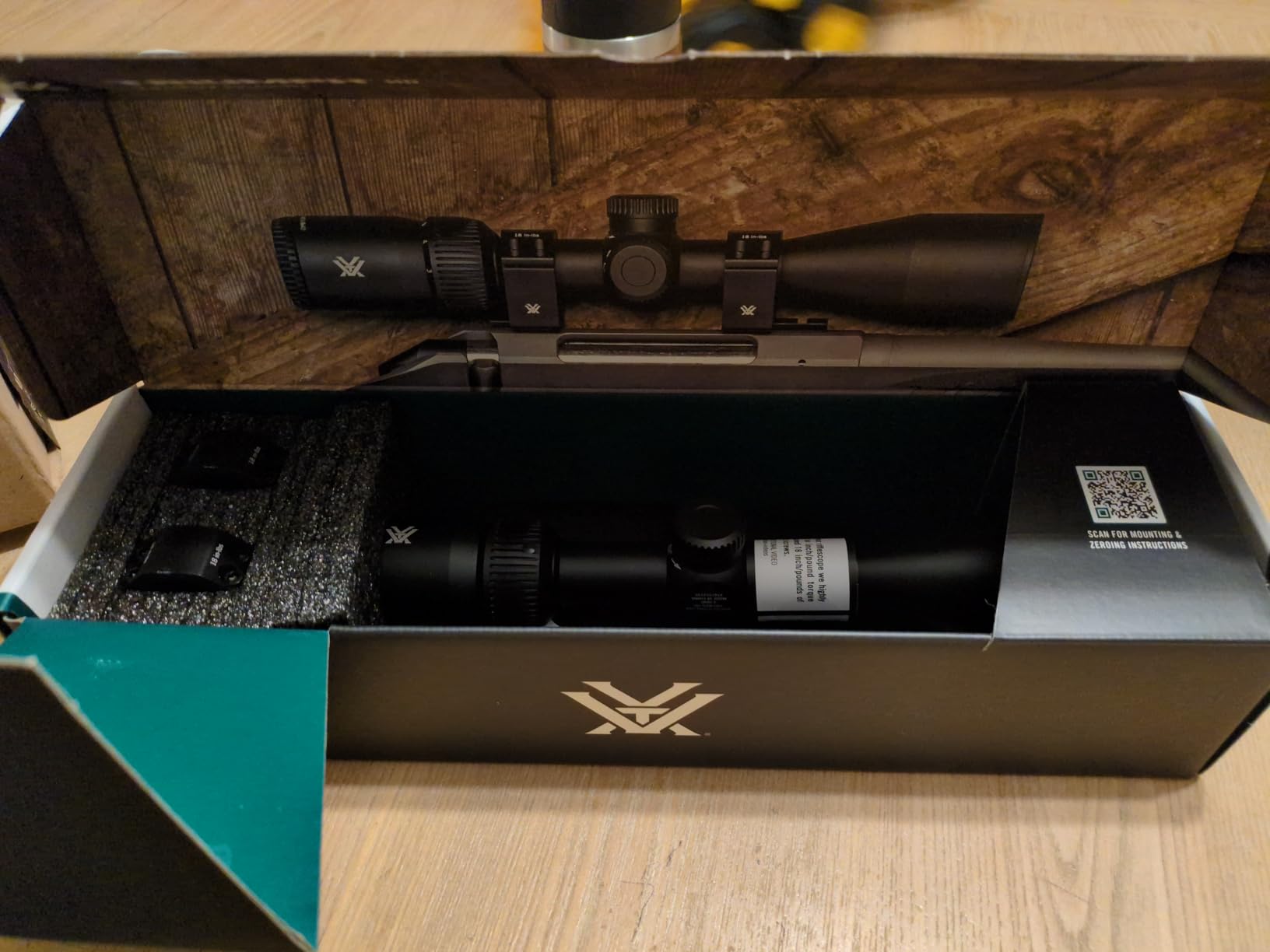
Most scope listings assume you already own rings and a mount. The Triumph HD kit does not. You get the scope, a pair of low-height 1-inch Hunter rings, a custom turret tool, a neoprene cover, and a lens cloth, which means the whole purchase is one box instead of three shopping trips.
Optically it punches above the price bracket. The HD optical system with select glass elements cuts chromatic aberration around the edges of the picture, and owners consistently describe the image as bright and crisp in the low light that defines deer season. Fully multi-coated lenses do the rest.
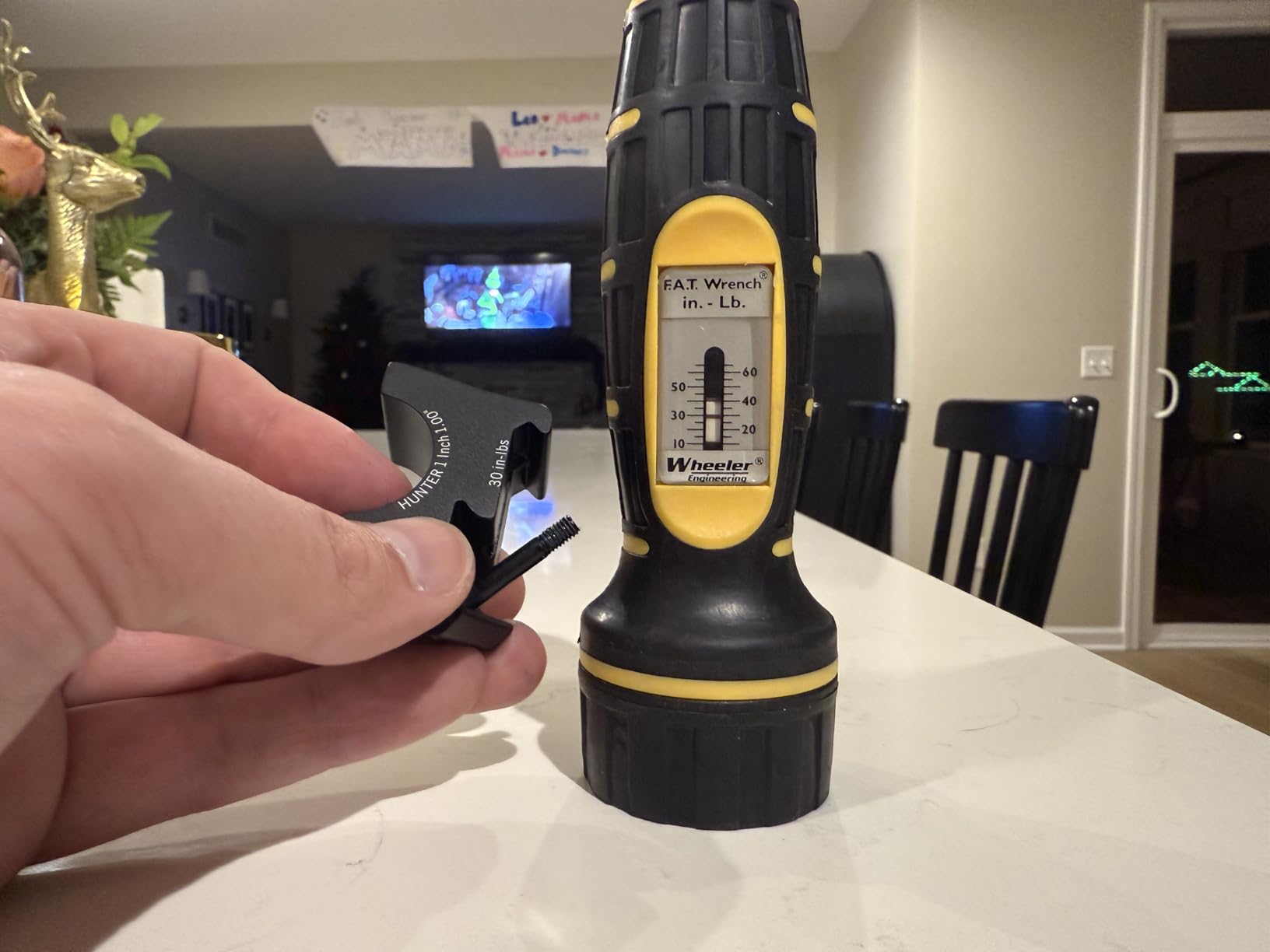
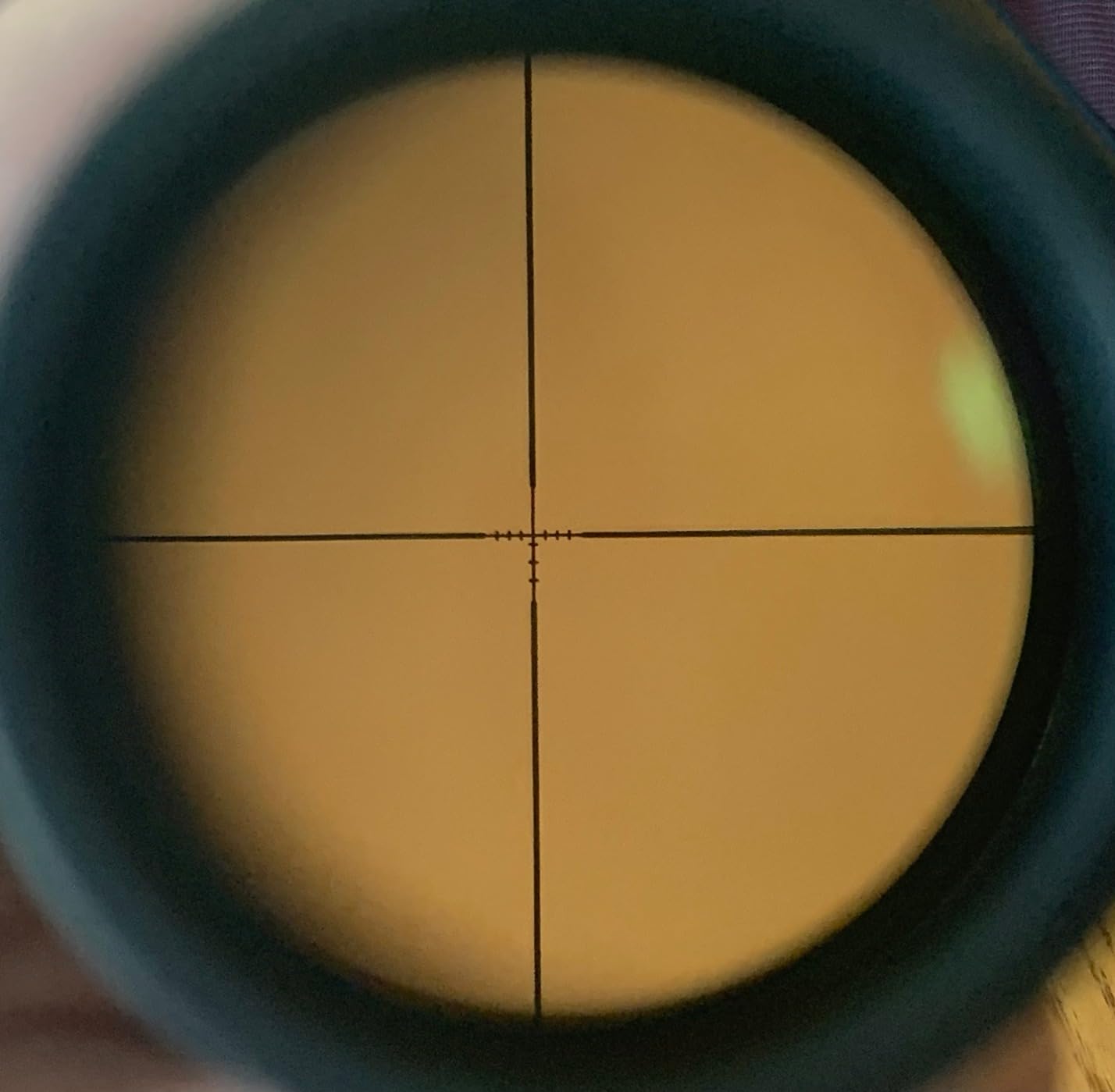
The Dead-Hold BDC reticle carries hashmarks for both holdover and windage, which is more information than the basic duplex on many scopes in this class. The fast-focus eyepiece takes a few twists to dial in, and the aircraft-grade aluminum body with a low-glare matte finish disappears against a dark treeline.
At 1 pound for the kit, it is a little heavier than the bare scope weight would suggest, but owners say it does not make a hunting rifle feel front-heavy. Zero retention is a repeated positive, along with holding up in rough weather.
Why included rings are a bigger deal than they sound
Forum readers raise ring and mount compatibility constantly, and it is the most common surprise for first-time scope buyers. You buy a beautiful scope with a 44mm objective bell, then discover your existing 1-inch rings sit too low and the front of the scope strikes the receiver or the ring clamp cannot clear the turret housings.
Rings in the kit solve the immediate version of that problem. The included Hunter rings are 0.90 inch low height, a sensible fit for a standard bolt-action hunting rifle. You still need a mount or rail that suits your action.
Where the kit falls short
Parallax is fixed at 100 yards, so inside that range the image softens. For deer, that is a minor issue. For rimfire, small game, or a lot of close-range practice, it will be noticeable and you will be tempted to blame the glass.
The other limitation is the turret caps. The included custom tool is there because you will need it. Plan on zeroing once, then leaving the caps alone.
6. Vortex Diamondback 3-9x40mm Second Focal Plane – Best for Zero Retention
Vortex Diamondback 3-9×40 Second Focal Plane Riflescope – Dead-Hold BDC Reticle
3-9x40mm
Zero reset metal turrets
14.4 ounces
44.6 ft field of view
Pros
- Metal on metal turrets are repeatable and resettable
- One piece tube is rugged and holds zero
- Fast focus eyepiece makes diopter changes quick
- Bright multi-coated glass from dawn to dusk
Cons
- Parallax fixed at 100 yards with no adjustment
- Rings and mount sold separately
Zero retention is the feature hunting forum readers care about most and the one most scope marketing ignores. It means the adjustment stays exactly where you put it after a season of recoil, a couple of hundred miles in a truck bed, and an accidental knock against a tree stand. The Diamondback is the scope in this list we would trust most on that single measure.
The reason is mechanical rather than optical. The metal-on-metal precision turrets reset to zero after sight-in, and the precision glide erector system tracks magnification changes without drift. Owners call out the repeatable adjustments specifically, which means re-zeroing after a mounting change or a new season is quick rather than frustrating.
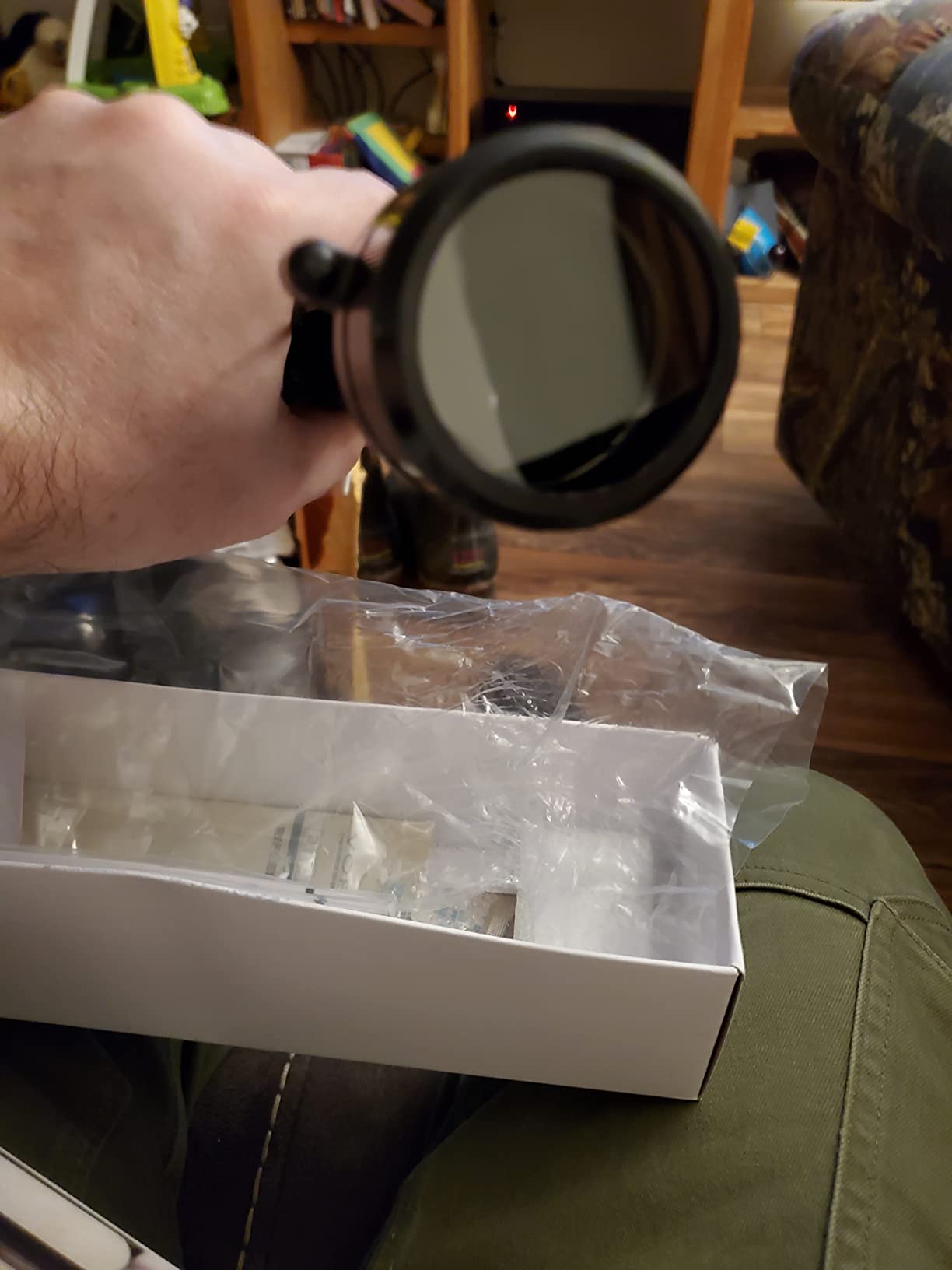
The one-piece hard anodized tube is argon purged and O-ring sealed for fogproof and waterproof performance, and the fast focus eyepiece lets you change diopter without hunting for the right setting. Removable lens covers and a cloth are included, which is a small courtesy at this level.
Backed by the Vortex lifetime VIP warranty, the Diamondback is also the pick most often cited in hunting forums when people ask what a first serious hunting scope should be. The complaints are consistent and narrow: fixed parallax, and the need to buy rings separately.
How to test zero retention before you rely on it
Mount the scope, set your rings to the torque spec, and confirm your zero at the range. Then fire a magazine or two, let the barrel cool, and check again. If the point of impact has moved more than a fraction of your group size, something is shifting.
Do the same check at the end of a practice day and again a month later. A scope that needs a small adjustment each session is telling you about loose rings, a bedding issue, or a turret that is not holding. All three are worth catching before opening season.
What fixed parallax costs you in the field
At 100 yards and beyond, fixed parallax is invisible. Inside 100 yards the target can look soft and the reticle can appear to shift as your head moves. Most deer shots are taken past 100 yards, so this rarely becomes a practical issue, but it is the reason we would not call this the right scope for close-range rimfire work.
The other thing to plan for is mounting. The scope is sold on its own, so you need rings and a mount that match your rifle action and clear the 40mm objective bell.
7. Leupold VX-Freedom 3-9x40mm Hunt-Plex – Best for Timber Hunting
Leupold VX-Freedom 3-9×40 (1 inch) Hunt-Plex Reticle Riflescope
3-9x40mm
Hunt-Plex reticle
12.2 ounces
Made in the USA
Pros
- Highest average rating in the group with crisp low light glass
- Holds zero through rough field use and truck bounces
- Generous eye relief and simple deer ready controls
- Designed machined and assembled in the USA
Cons
- No parallax adjustment which limits use past about 200 yards
- Reticle is not illuminated
- Lens covers are not included
The VX-Freedom carries the highest average rating of anything on this list, and after reading the owner reports we understand why. It is Leupold glass, Leupold construction, and Leupold zero retention, in a scope simple enough that you can pick it up and shoot it without a manual. For an eastern whitetail hunter, that is close to the ideal package.
Owners describe crisp glass in low light and, repeatedly, a scope that holds its zero after rough field use and bouncing around in a truck. The 3:1 zoom ratio from 3x to 9x is the classic hunting configuration for a reason: at 3x you can shoot in the woods, and at 9x you have enough reach for an open lane or a ridge crossing.

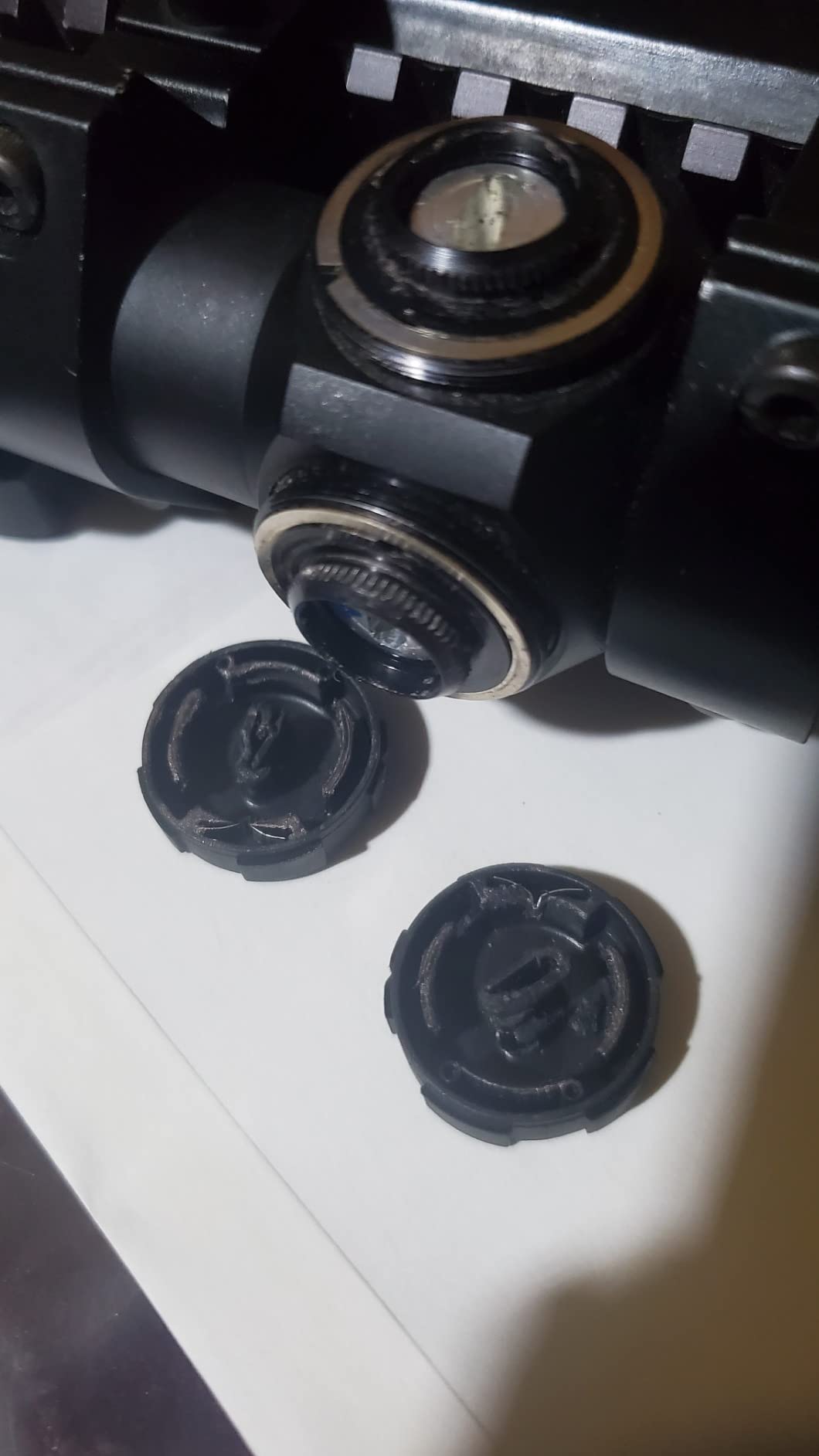
At 12.2 ounces it is the lightest scope here with a genuine premium pedigree, and the eye relief is generous enough to wear glasses without fighting the eye box. The capped finger-click adjustments are simple to reset and hard to knock out of place, which matters when you are squeezing through branches on a ladder stand.
It is designed, machined, and assembled in the USA, and it carries the Leupold full lifetime guarantee along with Leupold customer care. In hunting forums the VX-Freedom is the most repeatedly recommended no-regret deer scope, and the VX-3HD is the consensus upgrade for hunters who want more.
Why 3-9×40 remains the right answer for most deer hunters
A wider useful field of view at low magnification is what lets you find moving deer in timber. At 3x you see roughly four times the field you would at 6x, and a 40mm objective keeps the exit pupil wide so the image stays bright. That combination is why this configuration has survived decades of scope development.
Moving up to 3-12x gains reach you may never use and costs you field of view and low-light brightness at the bottom end. That is not a criticism of those scopes. It is an argument for matching the scope to the shots you actually take.
Where the VX-Freedom stops short
There is no parallax adjustment, so past roughly 200 yards you give up a degree of precision you might want for a downhill shot at a standing mule deer. Most whitetail hunters never notice. Western hunters on open benches might.
The reticle is not illuminated, which is the same limitation as the Buckmasters, and lens covers are not included, so you will want to buy flip-up caps or a sunshade. For a scope you will carry in brush, that is worth budgeting for.
8. Leupold VX-3HD 3.5-10x40mm CDS-ZL – Best for Built-In Ballistic Dials
Leupold VX-3HD 3.5-10×40 (1 inch) CDS-ZL Duplex Reticle Riflescope
3.5-10x40mm
CDS-ZL ZeroLock
Custom Dial System
1.3 pounds
Pros
- Exceptional dawn and dusk brightness from the Elite Optical System
- CDS-ZL blocks accidental dial movement in the field
- Consistent eye relief and eye box for fast timber acquisition
- Holds zero under magnum and 30-06 recoil
Cons
- Heaviest deer-ready option here at 1.3 pounds
- Duplex reticle has no holdover marks of its own
- Premium pricing puts it out of reach for many budgets
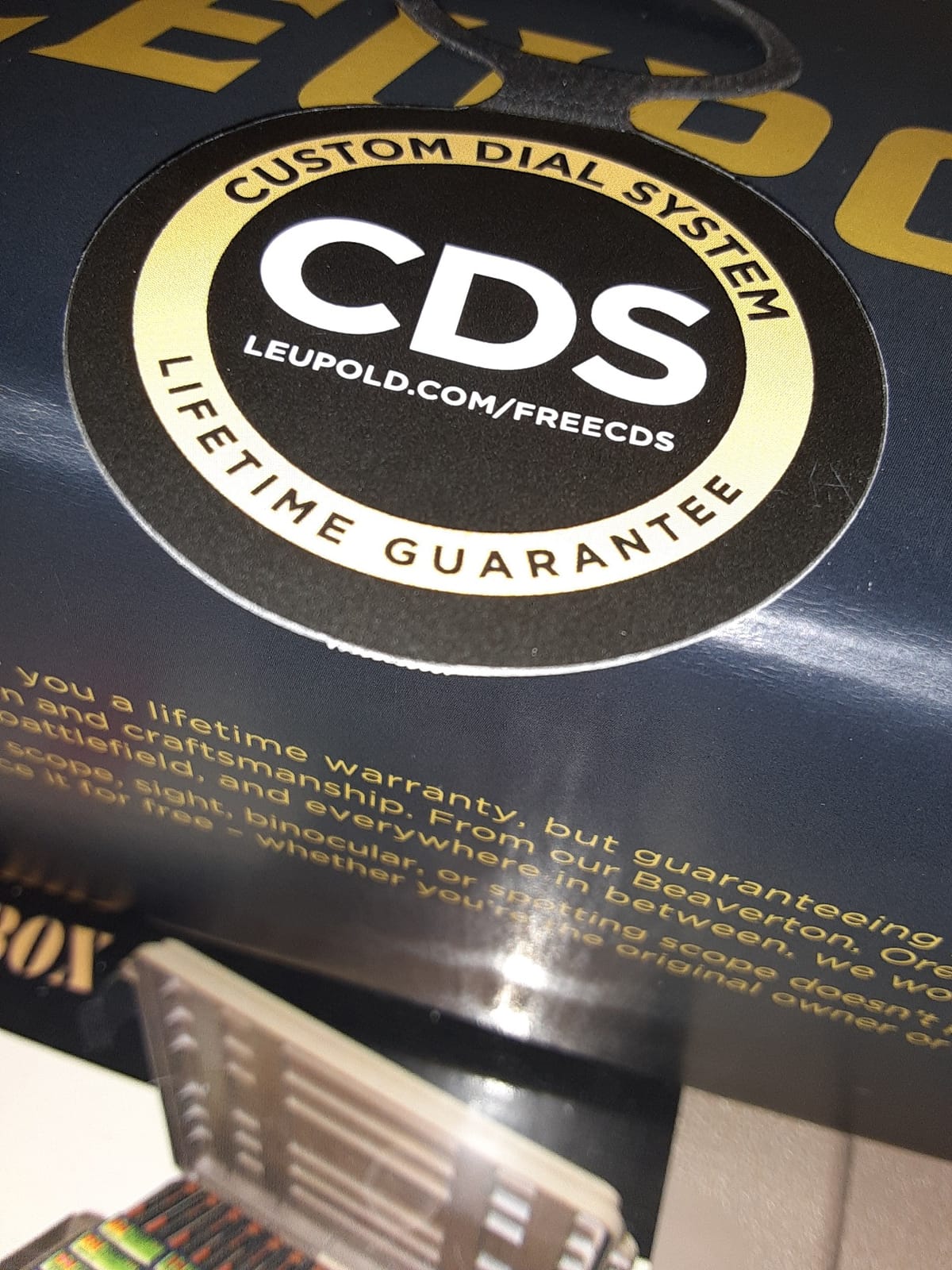
The VX-3HD is the pick for hunters who want the scope to carry the ballistics instead of their brain. The Custom Dial System lets you have the elevation turret laser-marked with the bullet drop values for your own rifle and load, and the CDS-ZL ZeroLock push-button system locks the dial until you release it. That means brushing a tree can no longer change your zero.
Optically, the Elite Optical System delivers the best dawn-to-dusk light transmission and glare reduction in this group. Owners single it out as the standout feature, and for a hunter who regularly starts before dawn, that is the feature that actually changes outcomes.
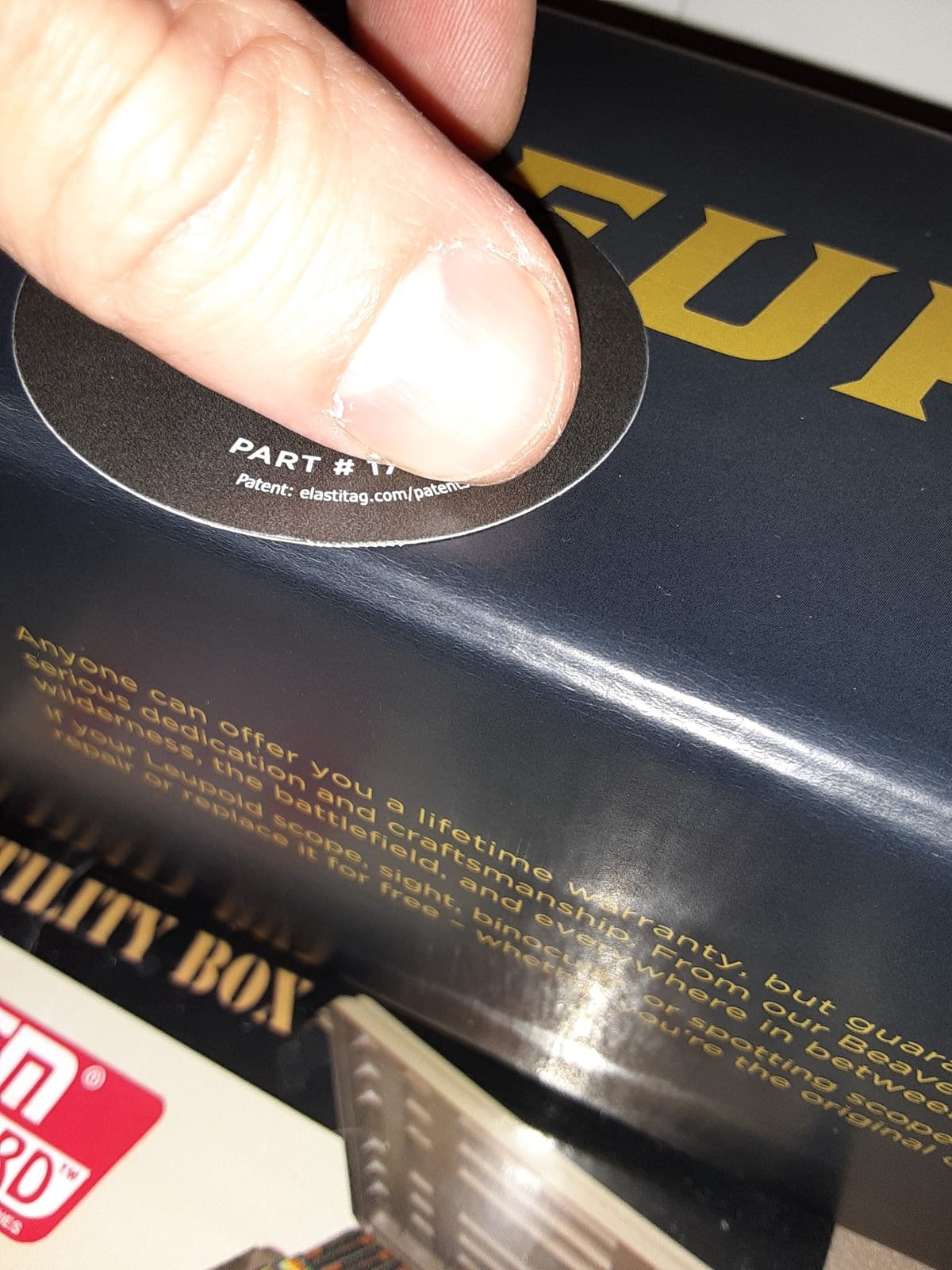
The 3.5x low end is wider than most people expect from a premium scope, and combined with a wide field of view it gives you a forgiving sight picture in timber. Owners also praise the eye relief and eye box specifically for fast target acquisition when a deer is moving and you are not settled.
Zero retention is a repeated positive, with reports of the scope holding its zero under heavy magnum and 30-06 recoil, which is the hardest durability test a hunting scope gets.
When a zero stop is worth the extra money
A zero stop is a physical stop in the elevation mechanism that prevents you from rotating past your zero into the clicks. In brush, in a truck bed, or while climbing a ladder with a rifle slung on your back, a zero stop removes a whole category of mistake. The CDS-ZL also covers a second problem: an exposed dial can be bumped and moved while you are not looking at it.
The custom dial goes further. Once your ballistics are dialed in, the numbers on the turret mean something, so you can dial elevation for a 280-yard downhill shot without a range card, a dope card, or a mental calculation in the cold.
The weight and price problems with premium glass
At 1.3 pounds, this is the second-heaviest scope here. On a heavy bolt-action rifle that is fine. On a light mountain or carbon-fiber setup it changes the balance and you will feel it on a long climb. If you hunt on the backcountry, the weight is the reason to look at a lighter option.
The second issue is that the Duplex reticle itself is plain. All the holdover information lives on the custom dial, so if you ever have to use the scope without the dial marked, you are back to estimating. The premium pricing also puts it out of reach for a lot of first-time buyers, which is a fair trade-off to weigh against the glass and the zero system.
9. Monstrum G3 6-24x50mm FFP Illuminated – Best for Western Long Range Deer
Monstrum G3 6-24×50 First Focal Plane FFP Rifle Scope with Illuminated MOA Reticle and Adjustable Objective (Flat Dark Earth)
6-24x50mm
First focal plane illuminated MOA
Adjustable objective
30mm tube
Pros
- First focal plane MOA reticle keeps ranging data constant at every power
- Adjustable objective for long range focus and parallax
- Reticle illumination with multiple brightness levels
- Kit includes rings sunshade and flip up lens covers
Cons
- Very heavy at 3.6 pounds and front heavy on a hunting rifle
- Large 50mm objective and 30mm tube need proper ring height
- Illumination is on a top dial rather than a side parallel control
Let us be blunt: this is not a deer scope for most people. Six times magnification as a minimum is too much for a 30-yard whitetail shot in hardwood timber, and 3.6 pounds is a lot of glass to hang on a hunting rifle. But if you hunt mule deer on open benches in New Mexico, Arizona, or Texas, there are few packages that cover you as completely for the money.
What you get is a first focal plane illuminated MOA reticle, which keeps the same ranging information at every magnification because the reticle scales with the image. The adjustable objective sharpens the target and kills parallax at distance, and the illumination has multiple brightness levels for the last twenty minutes of legal light. Owners consistently cite the reticle, the objective, and the fact that it arrives as a complete kit.
Even at this weight it is a value proposition, and close to a thousand owners have rated it. The 76 percent five-star share reflects a scope that does what it says at a price that undercuts the established brands by a wide margin.
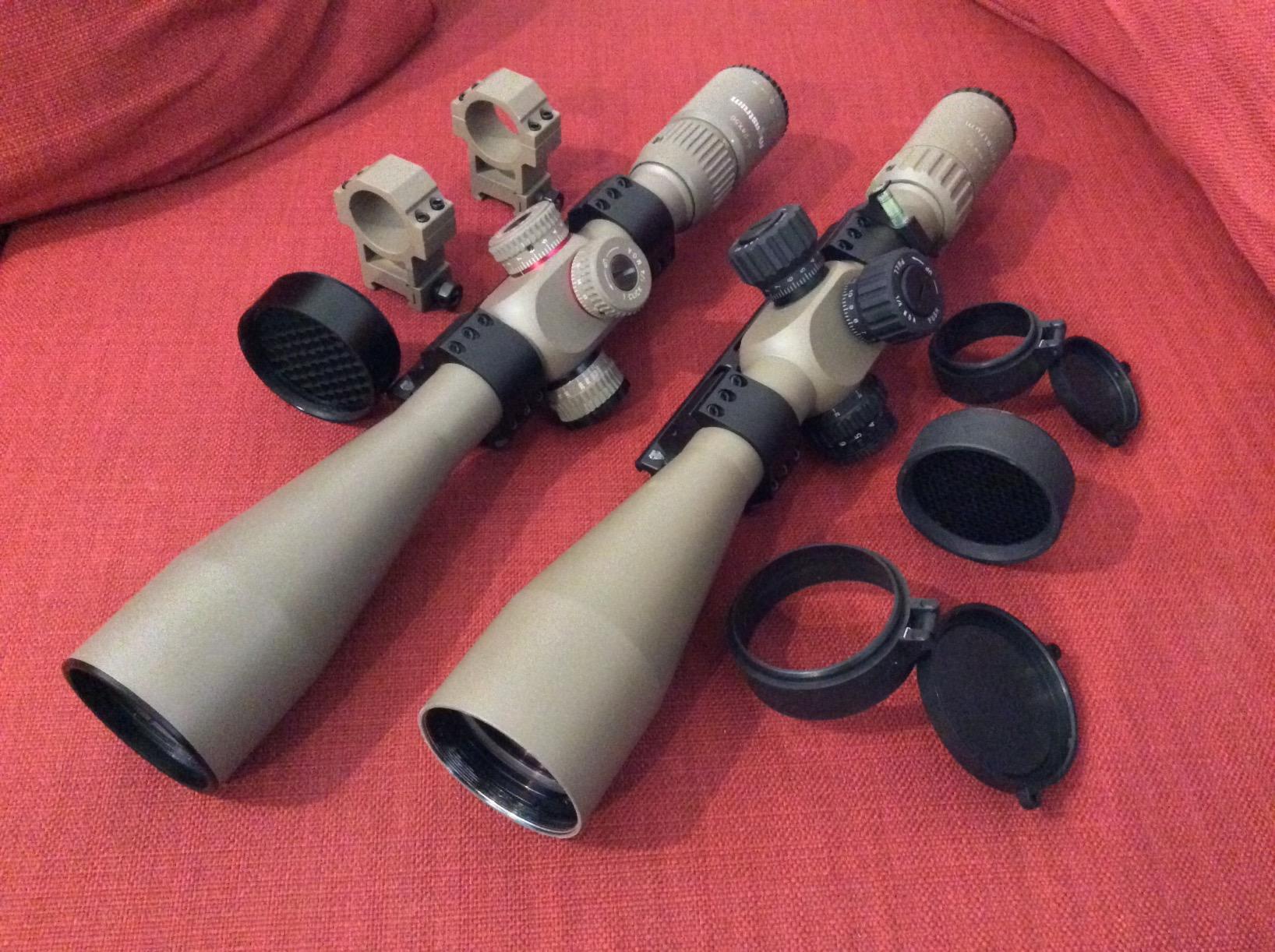
It is also the only scope in this roundup that includes 30mm high profile picatinny rings, a detachable sunshade, and spring-loaded flip-up lens covers, which is a genuine convenience if you are putting it on a chassis or a bolt action with a rail.
How to pair a spotting scope with it at long range
At these distances the spotting scope earns its place. Glass the ridge, identify the buck, confirm the bed, and get a range estimate before you set up. Our spotting scope comparison covers the models that hold up in low light, and the habit of dialing a buck at 500 yards before shooting it at 400 is a range estimation, not a guess.
Use the illuminated reticle and the FFP MOA marks to walk the range down, and let the adjustable objective handle focus. Do not try to do all three at once on a cold morning with a shaking rifle.
Why we would not put this on a timber rifle
Weight first. At 3.6 pounds the scope pulls the muzzle up, and a front-heavy rifle is genuinely harder to carry and to hold steady from a ladder. Second, the minimum magnification. There is no setting that gives you a wide, bright view of a buck at 25 yards in thick cover.
There is also a mounting constraint. A 50mm objective on a 30mm tube needs genuine ring height clearance. If your rifle action cannot take tall rings without interference, this scope simply will not mount safely, and no amount of adjusting will fix it.
10. CVLIFE 3-9x40mm R4 Crosshair Scope – Best Budget Scope
CVLIFE 3-9×40 Optics R4 Reticle Crosshair Scope with 20mm Scope Mounts, Black
3-9x40mm
R4 crosshair reticle
12.16 ounces
Scope mounts included
Pros
- Very low cost makes it a practical first or backup optic
- Simple crosshair reticle is easy to acquire
- Lightweight aluminum body at roughly 12 ounces
- Scope mounts included in the box
Cons
- Light transmission trails premium scopes in low light
- No bullet drop or holdover information on the reticle
- Coarse adjustments and limited zero repeatability
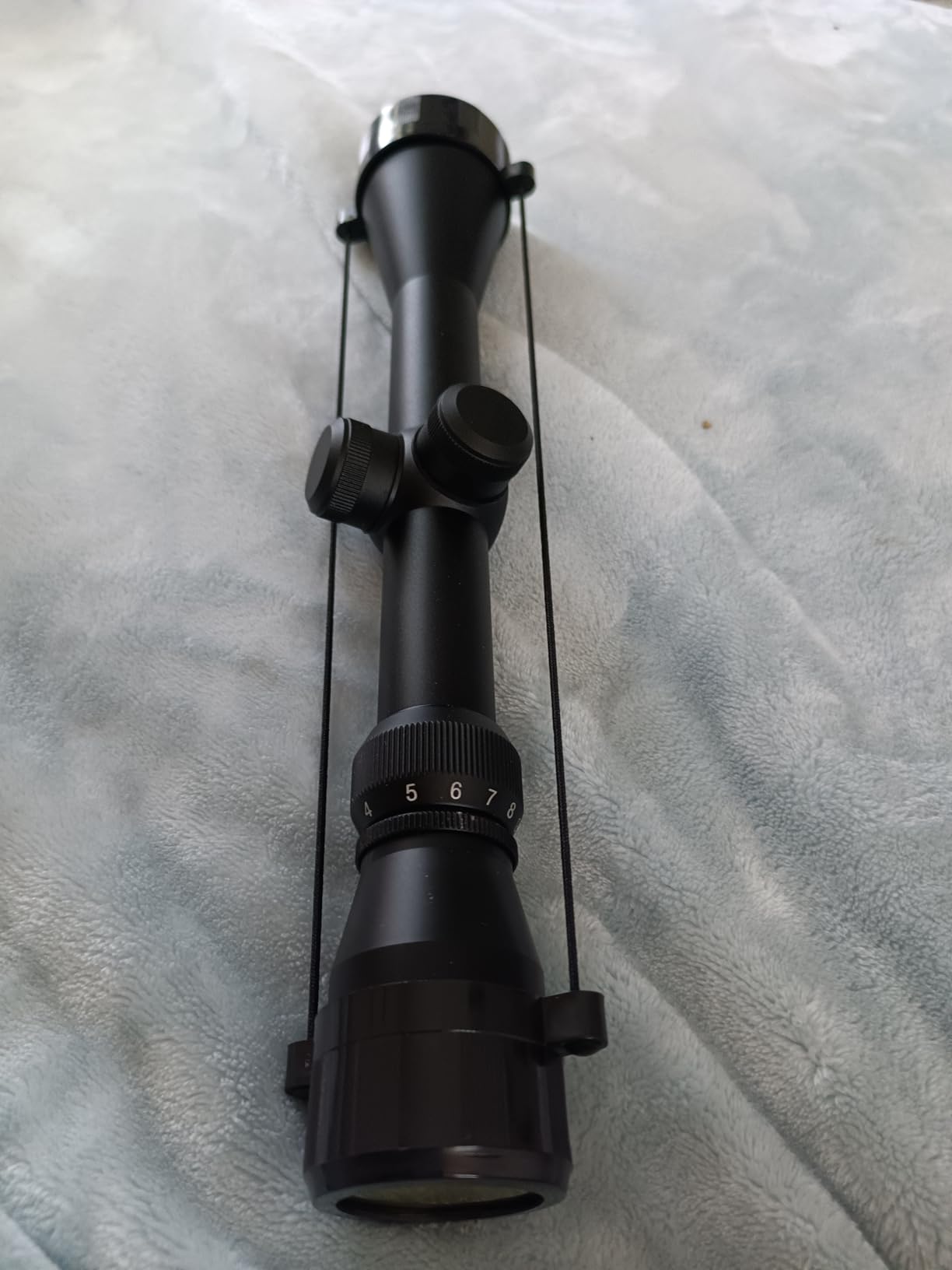
With more than eleven thousand reviews, the CVLIFE 3-9×40 is one of the most widely used scopes on the planet, and it fills a real niche: a young hunter’s first optic, a truck-gun backup scope, or a cheap beater optic for a rifle you do not mind getting beat up. For those jobs, the low cost makes it easy to justify.
The magnification and objective specification is the classic 3-9×40 hunting setup, the R4 crosshair is uncomplicated and easy to put on a deer, and the whole thing weighs about 12 ounces. Scope mounts are included, so the box is complete for basic setup on a rail or rail adapter.
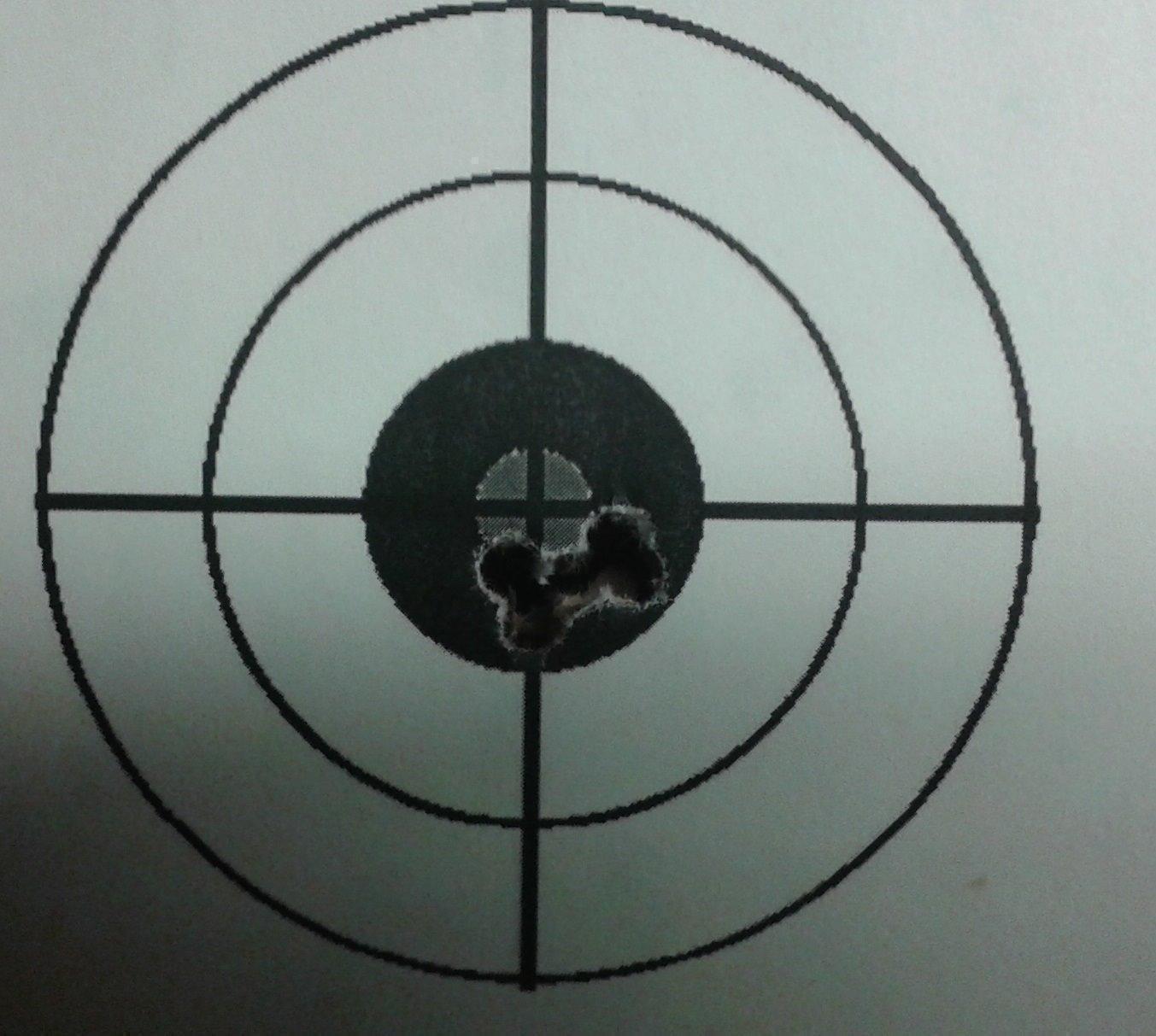
Be realistic about what you are getting. The 4.3 average rating is the second-lowest in this group, and the reason is consistent: light transmission and image quality in low light fall noticeably short of a branded scope. At 3x in good morning light it is fine. At dawn in a shadowed valley, it will not be.
The adjustments are also coarse relative to branded turrets, and owners report limited zero repeatability. If you care about whether your zero survives a season, that is the honest drawback of buying at this level.
Where a low-cost scope genuinely makes sense
A young or new hunter building a first setup is the clearest case. A usable optic teaches the fundamentals, breaks nothing if it gets dropped in the back of a truck, and leaves budget for ammunition and practice. A beater scope for a varmint or ranch rifle is the second clearest case.
It is also a reasonable loaner. A friend learning to hunt with your rifle can use it without wearing out your good glass, and if the zero wanders you have not lost much.
Why we would not put it on a deer rifle you care about
The reticle is the bigger problem than the glass. A crosshair gives you an aiming point and nothing else, so every shot at a deer beyond about 120 yards involves estimating drop in your head, and every shot in wind involves an estimate you cannot check.
Zero repeatability is the second issue. Combined with coarse adjustments, a scope that drifts under recoil will have you re-zeroing in the field on the morning of your hunt, which is the worst possible time to discover it. If you are buying for a season you care about, the step up to a branded, warrantied scope is money well spent.
11. Bushnell Drop Zone 1-4x24mm Target Turrets – Best for Close Range Deer
Bushnell Optics, Drop Zone Reticle Riflescope with Target Turrets, Matte Black, 1-4x/24mm
1-4x24mm
30mm tube
0.1 mil target turrets
13.6 ounces
Pros
- Bright clear glass that competes with pricier scopes
- Both eyes open fast target acquisition at 1x
- Crisp 0.1 mil target turrets with resettable adjustments
- Drop Zone BDC points proved accurate to 500 yards
Cons
- Heavier than expected on a rifle
- Reticle is not illuminated and marking caps must come off to re-zero
- Mounts are not included
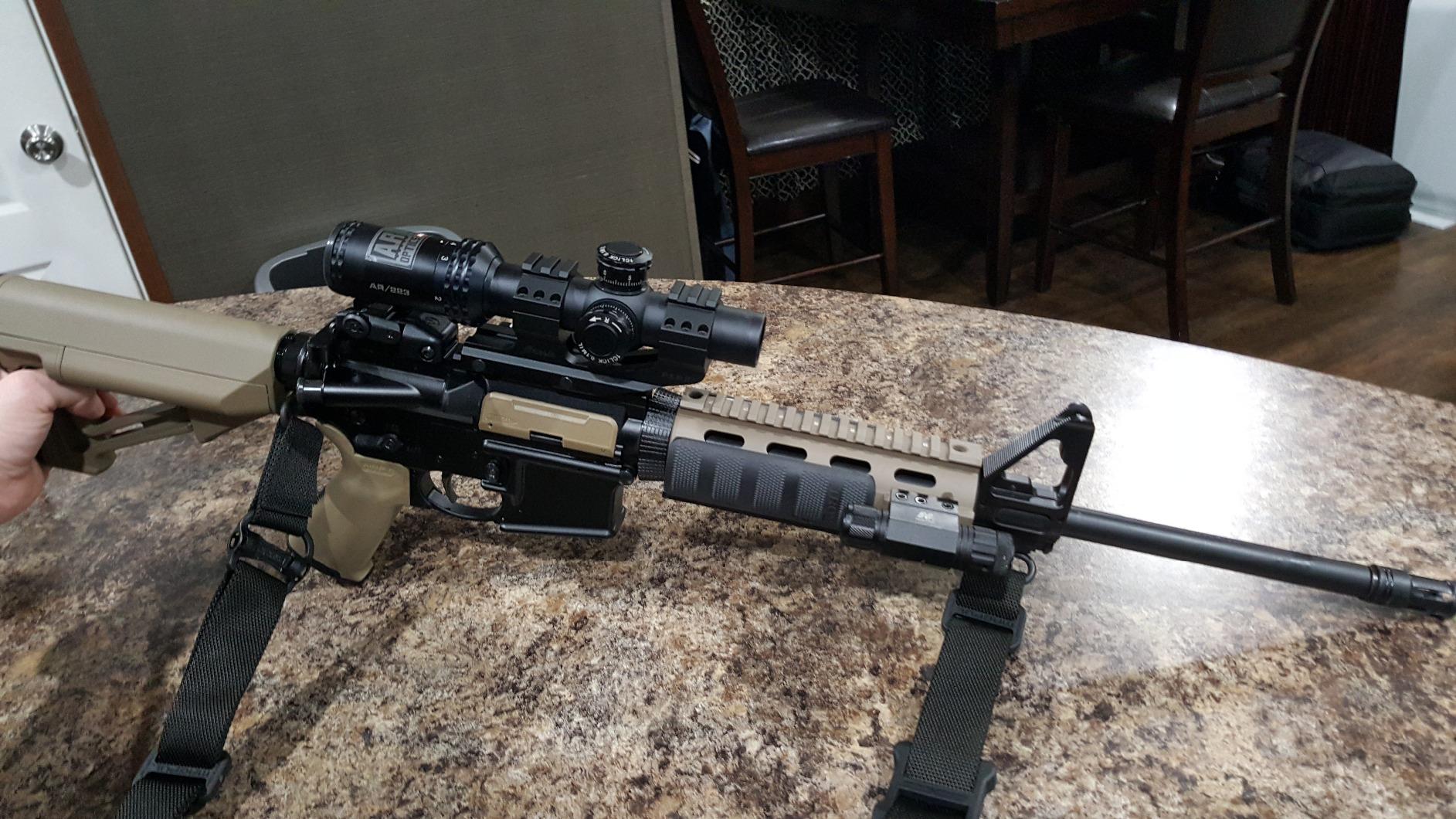
The Drop Zone solves a specific problem: deer that are close. At 1x you have roughly 90 feet of field of view at 100 yards, and you can shoot with both eyes open on an animal moving through brush or feeding in a timber edge. Nothing else in this list gives you that kind of picture at low light.
The glass is a genuine surprise. Owners comparing it side by side report brightness and clarity that rival scopes costing considerably more, and the fully multi-coated optics with a fast focus eyepiece hold up well in the dawn hours. The 0.1 mil target turrets click crisply and are clearly marked, and they reset after you set your zero.
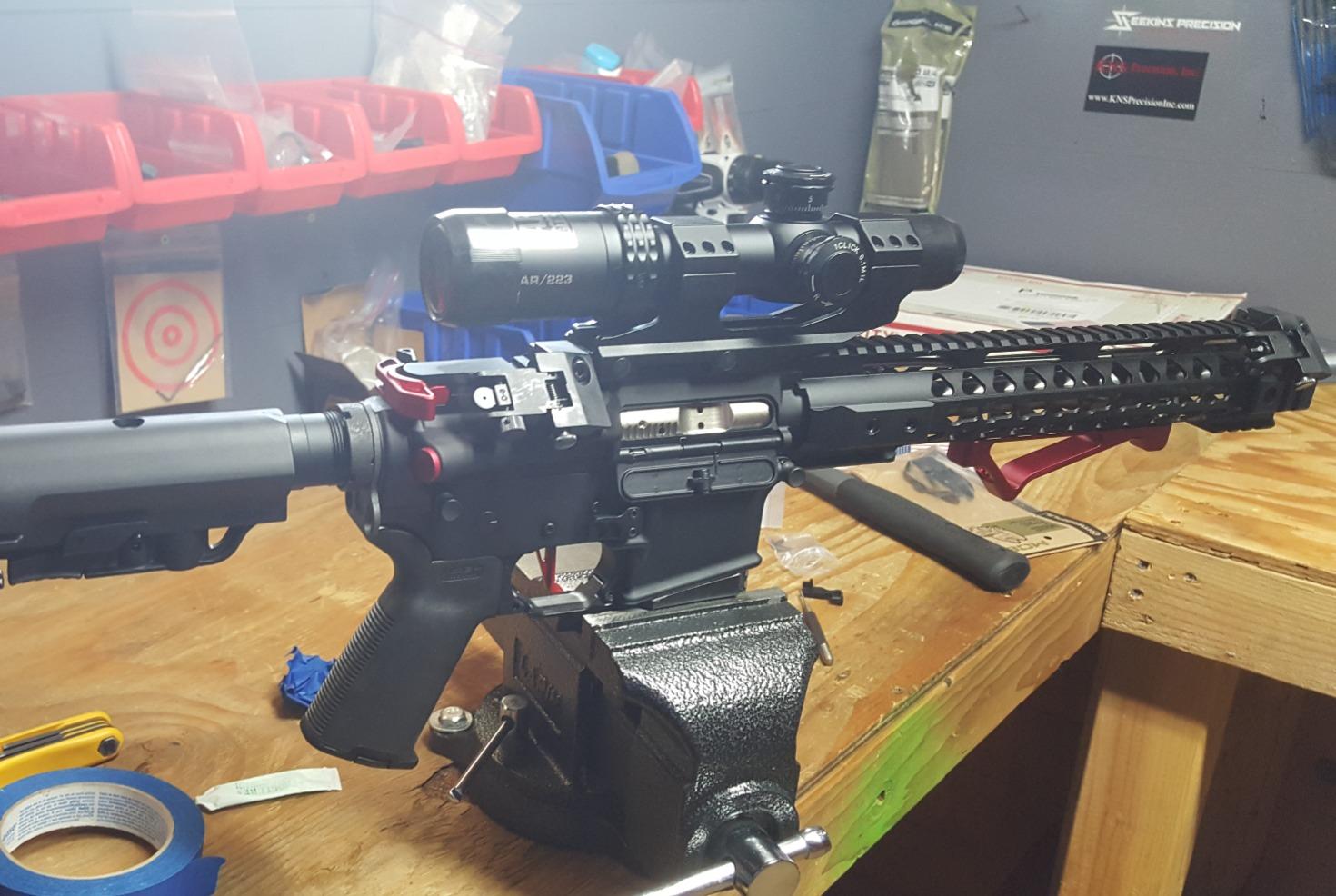
The Drop Zone 223 BDC reticle is calibrated for 55 to 62 grain 5.56 loads with aim points out to 500 yards, and owners report those points proving accurate. If your deer rifle is a bolt gun in a common hunting caliber, treat the BDC markings as a solid starting reference and confirm with your own chronograph data.
This is also the one entry-level scope here with genuinely adjustable, resettable turrets, which is a meaningful advantage for anyone who cares about holding a zero.
When a 1-4x scope beats a 3-9x scope
If you hunt in dense timber, hunt with a dog, or shoot a lot of hogs and close-range varmints, the bottom of the magnification range matters more than the top. At 1x, moving your eye a few inches off the rifle does not make the target vanish, which is exactly what happens at 3x or 4x.
The trade is obvious. You give up all long-range capability. If your season includes any chance of a 200-plus yard shot, you want a scope that reaches, and this one does not.
Setup details that trip people up
Mounts are not included, and this scope runs on a 30mm tube, not a 1-inch tube. If your rings are 1-inch, they will not work without a step ring, and a 24mm objective in tall 30mm rings sits higher than you may expect. Check your ring height before ordering.
Two smaller annoyances: the reticle is not illuminated, and the factory marking caps have to be removed before you can zero. Also note the wide crosshair lines, which some shooters find make precise aiming at 100 yards harder than a thin duplex would.
12. Monstrum Spectre 1-6x24mm LPVO – Best for Lightweight and Versatile Setups
Monstrum Spectre 1-6×24 LPVO Rifle Scope | Black
1-6x24mm
Second focal plane MX1 reticle
Integrated throw lever
Offset cantilever mount included
Pros
- Consistent reticle size at every magnification with MOA hashmarks
- Longer eye relief and wider eye box from the revised optics
- Short LPVO body fits easily on hunting rifles and AR platforms
- Extra anti-reflective coating for light transmission
Cons
- Lowest rated scope in the group with a 66 percent five-star share
- No parallax adjustment so it suits moderate distances only
- 24mm objective limits low light versus larger scopes
The Spectre is the value answer to a specific question: what do I put on a lightweight rifle where every ounce counts? A 1-6×24 low power variable is small, mounts low, and gives you a genuine 1x for close quarters and 6x for moderate distances, which is a wider envelope than a traditional hunting scope offers.
The second focal plane MX1 box reticle with MOA hashmarks stays the same size at every magnification, so you learn one aiming picture and use it everywhere. The revised optics assembly gives a shorter tube with longer eye relief and a wider eye box, which is a real comfort improvement over older models at similar prices.
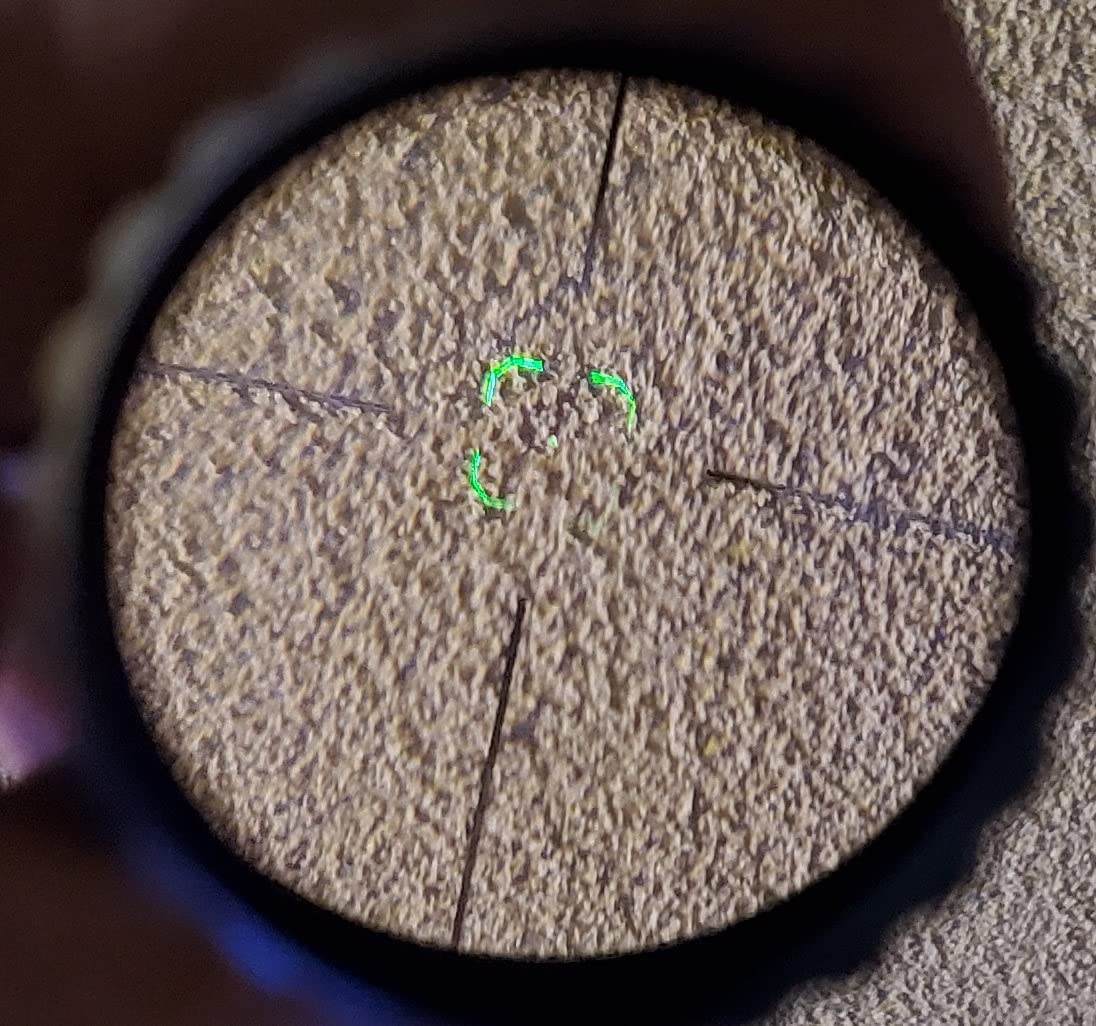
The offset cantilever mount is included, along with spring-loaded flip-up lens covers, so the scope is ready to go on a hunting rifle or an AR-style setup. The throw lever is integrated, which is more convenient than a pull-and-turn ring when you are moving quickly between targets.
Owners like the format and the eye relief. The problem is the 4.3 average, the lowest in this group, with a 66 percent five-star share, and the critiques are consistent: the 24mm objective is the wrong size for a 6am deer hunt, and there is no parallax adjustment to rescue close targets.
What a 24mm objective costs you in the field
The objective lens is the light-gathering end of the scope, and 24mm is small. It works fine in daylight, but in civil twilight the image dims faster than a 40mm or 44mm objective, and at 6x the exit pupil narrows enough that you lose detail on a deer standing in shadow.
If your season starts in genuine darkness, that is a real limitation and you should spend on a larger objective instead. If you hunt mostly during legal daylight hours and weight is the binding constraint, it is an acceptable trade.
Why the low rating does not mean it is a bad scope
A 4.3 average on this scope reflects expectations rather than failure. Buyers expecting 6x precision glass compare it against scopes built for a different job. Used as a lightweight close-to-moderate-range hunting optic with a consistent reticle and good eye relief, it delivers what it promises.
Just know that the absence of parallax adjustment limits it to moderate distances. Close targets will look soft, and there is no knob to fix it. If your hunting is mostly inside 150 yards, that is fine. If you shoot a lot of long-range practice on the same rifle, look elsewhere.
How to Choose a Deer Hunting Scope
Most deer scopes fail on the same two things: too much magnification for the terrain, and rings that do not fit. Get those right and the rest is preference. Here is what actually matters, in the order we would think about it.
How much magnification do you really need?
Most whitetail shots in North America happen between 30 and 150 yards, with mule deer commonly taken between 100 and 300 yards. That single range tells you most of what you need to know. A 3x to 9x or 3x to 12x scope covers it with room to spare.
Use this as your terrain guide. Thick eastern hardwoods and pine plantations reward low power and a wide field of view, so look at 2.5-4x at the bottom. Open plains, CRP ground, and western benches reward reach, so a 3-12x or 4-16x is fair. Mountain mule deer and backcountry setups reward a compact 3-9x that weighs nothing.
What you should not buy for deer is a 6:1 ratio scope such as a 6-24x or 4.5-27x. Forums are full of owners who bought them, found them heavy and dim at the bottom end, and wished they had bought something simpler. The exception is if you genuinely shoot past 500 yards on deer.
What size objective lens should you look for?
The objective lens is the front glass, and its diameter is the main driver of low-light brightness. Forty millimeters is the deer-hunting standard and it works. Forty-four millimeters gives you a meaningfully brighter image at dawn and dusk for very little extra weight, which is why the Buckmasters at 3-12×44 is our top pick.
Above about 44mm you pay for weight and ring height rather than usefulness on deer. A 50mm objective makes sense only when you are reaching past 400 yards or shooting at low light with nothing else to do but hold still.
Glass, coatings, and what actually changes at dawn
You will see terms like ED glass, HD glass, and fully multi-coated thrown around like they are interchangeable. They are not. Low-dispersion and fluorite elements reduce the colored fringing you see at the edges of the picture, which matters on a wide, flat deer moving against a bright sky. Coatings are the coatings that decide how much light makes it through those elements.
Our practical advice: buy the best-coated optic you can afford in a configuration you will actually use. The difference between a premium scope and a budget scope at 6am is mostly coatings, contrast, and eye relief, not raw magnification. If you want to judge the difference yourself, a side-by-side with a good pair of spotting scopes teaches you more than any spec chart.
Do you need parallax adjustment, and does it matter?
Parallax is the optical error that appears when your reticle and your target are not on the same plane. It is negligible past 100 yards and obvious inside about 30. For deer hunting, fixed parallax at 100 yards is a sensible factory decision, which is why so many of the scopes here use it.
Adjustment is worth it if you hunt in thick timber where shots can come at 15 yards, if you shoot rimfire, or if you want the freedom to focus on a distant buck without a separate diopter adjustment. The Burris Droptine gets it through an adjustable objective, which also sharpens the image at distance.
Reticles: FFP versus SFP, and BDC in plain language
First focal plane reticles change size as you change magnification, so the ranging information under the reticle stays accurate at every power. Second focal plane reticles stay the same size, so what you learn at 3x is still true at 9x. For a deer hunter who mostly zeroes and shoots, second focal plane is the simpler choice. For a hunter who actively holds off, first focal plane is the better tool.
A BDC reticle, or bullet drop compensator, is a second focal plane reticle with aim points marked for known bullet trajectories. It lets you hold on instead of dialing, which is faster in brush and easier at dawn. It is not a substitute for knowing your rifle’s zero and your bullet’s drop, and it is calibrated for specific loads.
Turrets, zero stops, and why your zero matters in the woods
Zero retention is the ability of a scope to stay exactly where you zeroed it after recoil, bumps, and time. It is the first feature where a hunting scope has to prove itself, because a scope that drifts costs you a hunt. Capped turrets protect your setting from brush and truck beds. Locking turrets go further by requiring a deliberate action to move. A zero stop prevents the dial from rotating past your zero into mistakes.
Metal-on-metal adjustments feel noticeably more positive than the light ones found in entry-level scopes, and they are easier to reset. That is the mechanical difference behind why the Diamondback is our zero-retention pick.
Mounting, rings, and the cost of the finished system
Nobody buys a scope as a single item, and the extra cost surprises first-time buyers more than any other line item. Your finished system is the scope, a pair of rings, a mount or rail, and ideally a lens cover or sunshade. Some kits include rings, which is why the Triumph HD stands out.
Tube diameter matters for compatibility. One-inch and 30mm tubes need different rings, and 30mm rings with a step ring are the usual workaround. Ring height determines whether the objective bell clears the receiver, and a 40mm objective on low rings on a bolt action will often bind. Check the ring height your action allows before you order, and budget for a quality set of rings rather than the cheapest available.
Use a torque driver and a thread locker when you set the rings, and check for scope creep by pointing the muzzle at a solid object at a distance and watching the reticle for a minute. That habit prevents most of the “my zero moved” field complaints.
Warranty as a real buying factor
In this category the warranty is not marketing, it is insurance on a precision instrument that takes abuse. Vortex leads on paper with an unlimited, unconditional, lifetime VIP warranty that is also transferable, and that promise shows up again and again as the reason people pick the brand. Leupold offers a full lifetime guarantee and a strong customer care program. Burris backs its scopes with the Forever Warranty, and the brand’s repair service is a genuine differentiator.
One caveat worth knowing: some lifetime warranties are original-owner only and exclude electronics. If you buy illuminated glass, read the terms rather than assuming the same coverage applies to the light module.
How we chose these twelve
We started with the configurations that match real deer shot distances and threw out anything whose minimum magnification made it unusable in timber. From there we weighted glass brightness, turret construction and zero retention, eye relief, weight, mounting practicality, and warranty coverage. Where reviews disagreed with the spec sheet, we followed the reviews, because that is where zero drift, fogging, and inconsistent clicks show up first.
We also read what hunters say in the forums, since ring compatibility, zero retention, and over-magnification come up in every thread. Where a scope has a clear drawback, we said so. A list with no cons is a sales page, and readers know the difference.
Frequently Asked Questions
What scope magnification is best for deer hunting?
For most deer hunting, a 3x-9×40 or 3x-12×40 range is the right answer. Whitetail shots are usually taken inside 150 yards and mule deer shots under 300, so a scope that starts at 3x gives you a wide, bright view in timber while still reaching far enough for open country. Only consider a 6:1 ratio scope such as 6-24x if you genuinely shoot past 500 yards on deer.
Is Vortex or Leupold better for hunting?
Vortex leads on warranty terms, with an unlimited, unconditional, lifetime VIP warranty that is transferable, and it offers the widest range of hunting configurations in this list. Leupold leads on glass refinement and build reputation, and the VX-Freedom carries the highest average rating of any scope we reviewed. For most deer hunters the honest answer is that both work and the deciding factor is the configuration, not the badge.
What is the best scope for deer hunting with a rifle?
The best scope is the one that matches your terrain, your shot distances, and your rifle. A 3-9×40 like the Vortex Diamondback or Leupold VX-Freedom covers most deer hunting, a 3-12×44 like the SIG SAUER Buckmasters adds reach and a built-in BDC, and a 1-4×24 or 1-6×24 earns its place when you hunt in very thick timber or on a lightweight rifle.
Do I need parallax adjustment for deer hunting?
Usually not. Parallax errors are negligible past 100 yards, and most deer shots are taken beyond that range, which is why many hunting scopes ship with parallax fixed at 100 yards. It becomes worth having when you shoot inside 30 yards, hunt with a dog, or use rimfire, where a soft image at close range is obvious. An adjustable objective like the Burris Droptine solves it without adding a knob.
Should my deer hunting scope have an illuminated reticle?
It depends on when you shoot. Illumination helps in the last minutes of legal light and under heavy canopy, and it is genuinely useful on scopes that reach past 12x. For a hunter who only shoots after full daylight, an unilluminated reticle is more rugged, lighter, and cheaper. The scopes in this roundup that include illumination, such as the Monstrum G3, place the control on the top turret rather than at your thumb.
What size scope rings do I need for my hunting rifle?
Match the ring diameter to your scope tube: one-inch tubes need one-inch rings and 30mm tubes need 30mm rings. Ring height is the more common problem, because a 40mm or 44mm objective will not clear a receiver on low rings. Check the maximum ring height your action allows before ordering, and budget for a solid pair of rings rather than the cheapest set available.
Final Verdict: The Best Rifle Scopes for Deer Hunting in 2026
The best rifle scope for deer hunting in 2026 comes down to terrain, but it rarely comes down to a single winner. For most hunters, we would put the SIG SAUER Buckmasters 3-12×44 on the rifle. It gives you a true 3x for timber, usable reach to 12x, and a BDC reticle that handles bullet drop without arithmetic, in a 15.2-ounce 1-inch package with a full set of owner reports behind it.
If you want the simplest scope that will not let you down, the Vortex Diamondback 3-9×40 wins on zero retention and comes with a lifetime VIP warranty. If you hunt in the dark more than you hunt at noon, the Bushnell Banner Dusk and Dawn 3-9×40 gives you the most eye relief and the deepest owner history in the group. And if you want the best glass with built-in ballistics, the Leupold VX-3HD 3.5-10×40 with CDS-ZL is worth the step up in weight and cost.
Two final pieces of advice. Check your ring height before you order, because a scope that will not mount is the most common expensive mistake in this purchase. And take the scope to the range before opening season, confirm your zero, then confirm it again after a few hundred rounds. If it holds, you can stop thinking about it all season.
Once you have glass on the rifle, store it properly between hunts on a gun safe rated for your rifles and let the glass collect dust in one place. That is the whole job. Pick well, zero early, and go hunting.